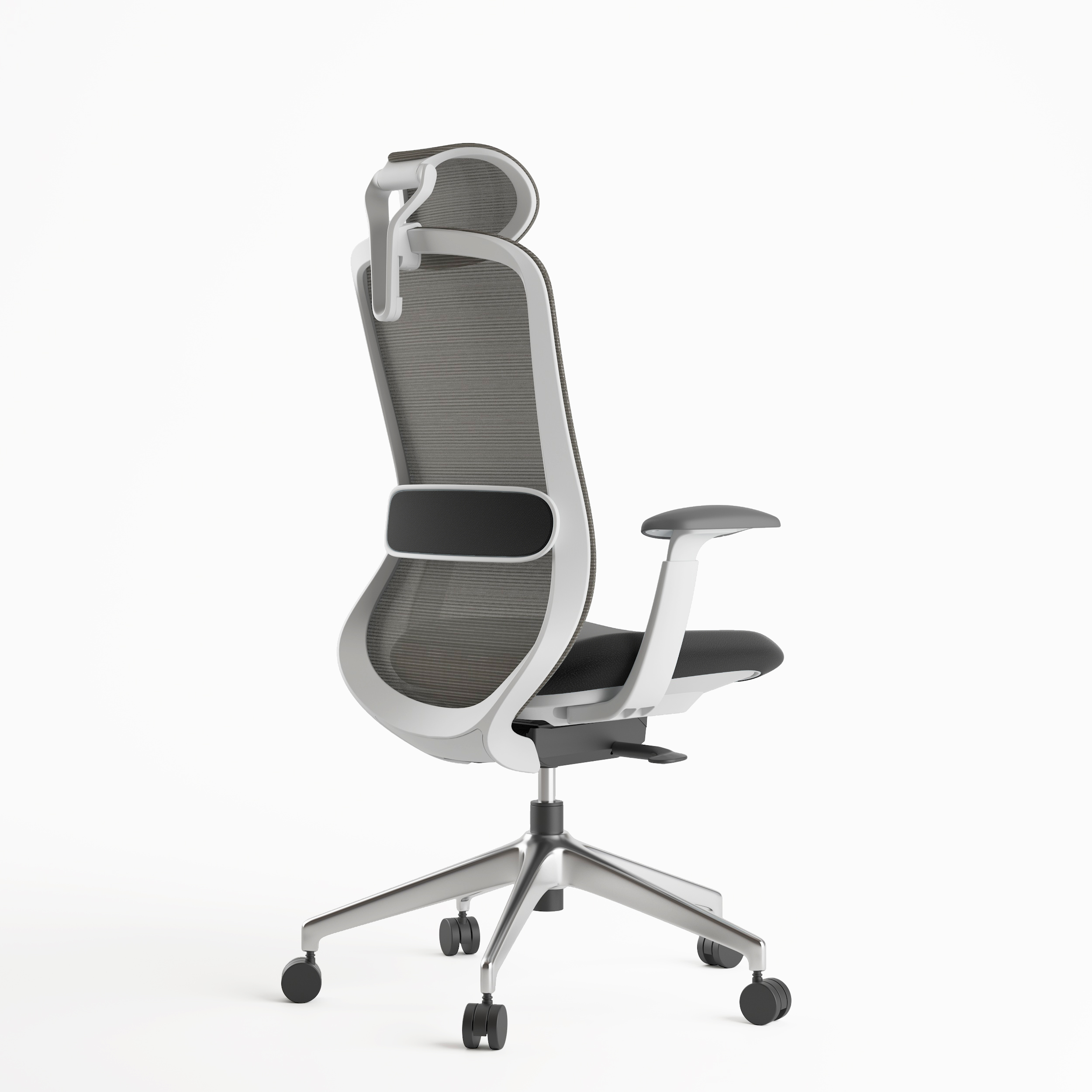
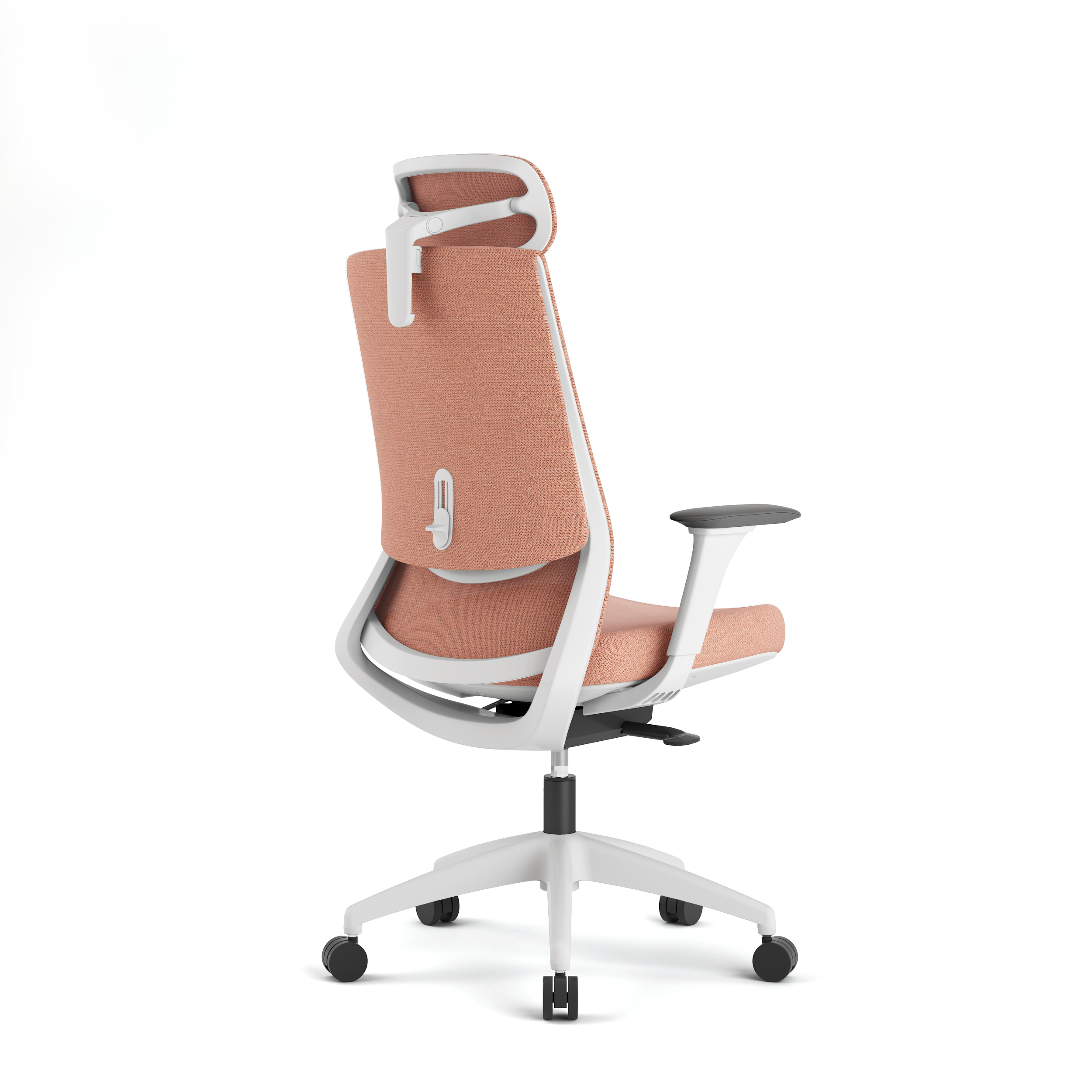
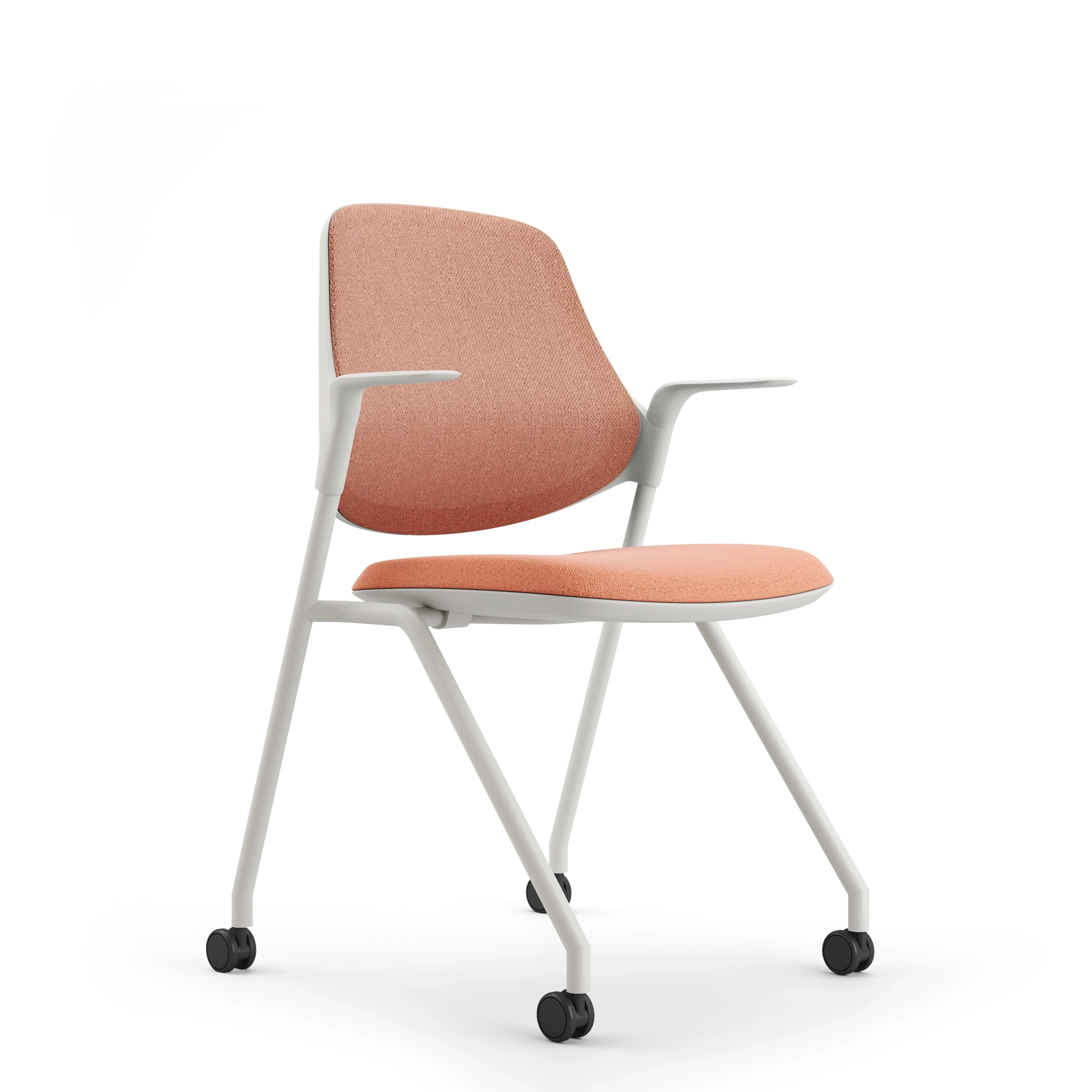
Maintaining consistent quality in the office chair industry requires a sophisticated blend of engineering expertise, material science, and rigorous quality control processes. Manufacturers of office chairs face the challenge of producing thousands of units annually while ensuring every single piece meets exacting standards for durability, comfort, and safety. The reputation of any office chair brand depends entirely on how effectively its production team implements quality assurance protocols from raw material procurement through final inspection.
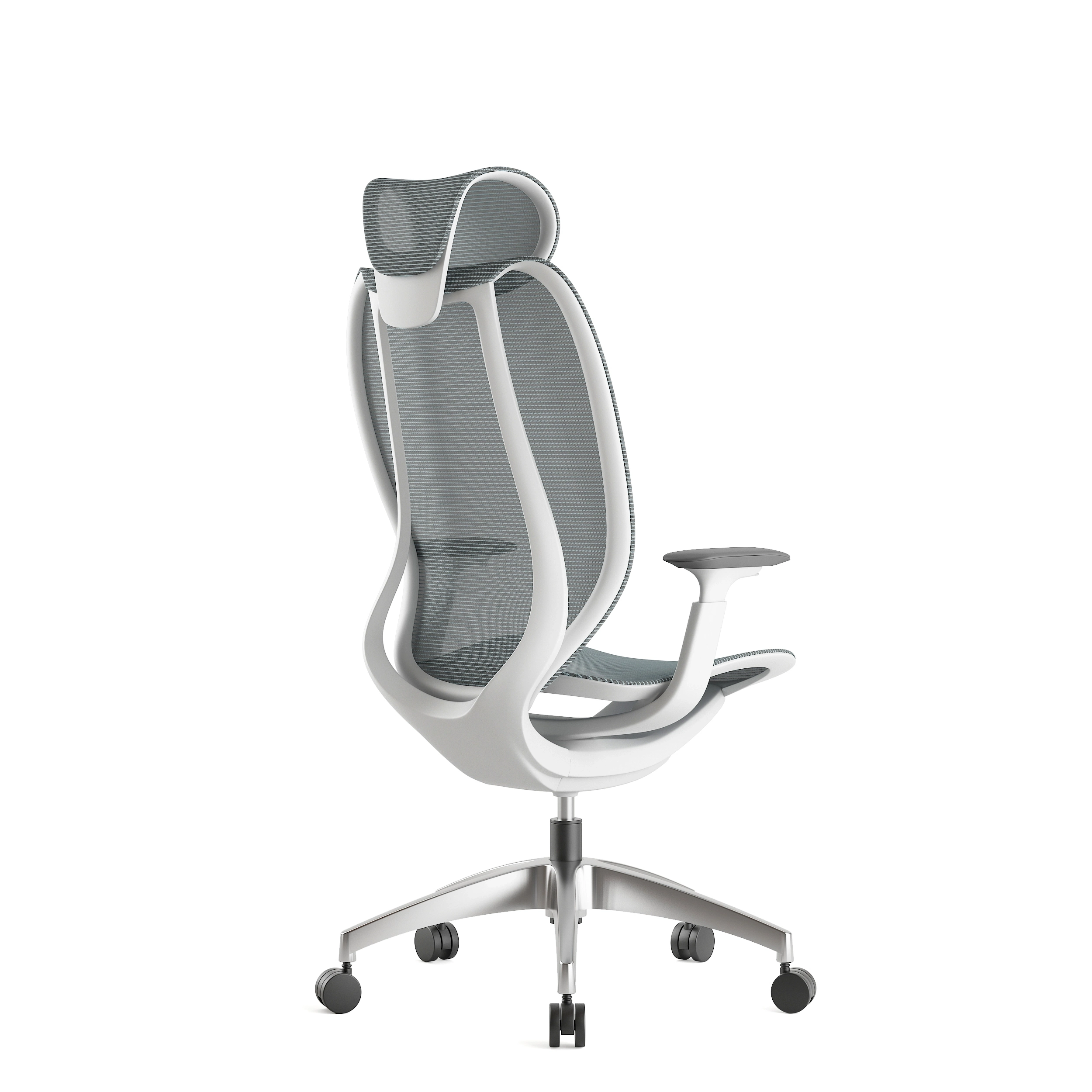
The process begins long before an office chair reaches a customer's workspace. Leading office chair manufacturers implement comprehensive quality management systems that span the entire supply chain, from supplier vetting to post-purchase support. Understanding these mechanisms reveals why certain office chair brands consistently deliver reliable products while others struggle with durability issues and customer complaints.
Every office chair begins with carefully selected materials that will determine its longevity and performance characteristics. Manufacturers establish strict supplier relationships, often requiring certification and regular audits to ensure that every component—from the base wheel to the upholstery fabric—meets predetermined specifications. An office chair's structural integrity depends on the quality of its steel frame, and this begins with selecting suppliers whose metallurgy processes produce consistent material properties.
The padding density, fabric durability, and foam composition in an office chair undergo rigorous testing before approval. Suppliers of an office chair's cushioning materials must provide test reports confirming compression resistance, recovery rates, and long-term performance under typical workplace conditions. Top-tier office chair manufacturers maintain ongoing supplier scorecards that track defect rates, delivery consistency, and responsiveness to quality concerns, ensuring every office chair component meets expectations.
Leading office chair producers require all critical suppliers to maintain ISO 9001 certification or equivalent quality management standards. These suppliers understand that an office chair sold under a manufacturer's brand name reflects that company's commitment to quality, making rigorous material standards non-negotiable. Testing laboratories verify that upholstery fabrics in an office chair resist pilling, fading, and wear according to industry benchmarks, while structural components are tested for stress concentration and fatigue resistance.
Many office chair manufacturers also require compliance with environmental and safety certifications, such as GREENGUARD or similar standards, ensuring that an office chair meets health and sustainability criteria. This multi-layered compliance approach means that before an office chair component enters the factory floor, it has already been vetted against dozens of quality parameters, significantly reducing defect rates in finished products.
Once materials arrive at the facility, every office chair undergoes assembly according to precisely documented procedures that eliminate variation. Manufacturing engineers develop standard work instructions that specify exact torque values for fasteners, foam compression measurements, and upholstery tension settings. Quality control personnel perform in-process inspections at critical assembly stages, ensuring that every office chair meets dimensional tolerances and structural requirements before moving to the next production phase.
Modern office chair factories employ statistical process control (SPC) to track key measurements across production runs. These systems monitor parameters such as base width, backrest height, seat depth, and wheel alignment, alerting supervisors when measurements drift outside acceptable ranges. This data-driven approach ensures that every office chair leaving the production line exhibits consistent physical characteristics, directly contributing to predictable performance and customer satisfaction.
Rigorous testing protocols separate high-quality office chair manufacturers from those cutting corners. Standard acceleration tests involve cycles of compression, extension, and lateral stress that simulate years of workplace use compressed into hours. An office chair must complete thousands of cycles—often 50,000 to 150,000 depending on duty classification—without structural failure, foam compression, or mechanical breakdown.
Tilt mechanism testing ensures that an office chair's recline function operates smoothly through its full range and returns to locked position reliably. Armrest strength tests verify that an office chair's arm supports withstand the repeated stress of users leaning, pushing, and resting their weight. Wheel durability tests roll each office chair across abrasive surfaces, checking that casters rotate freely and maintain performance without squeaking or binding.
Every office chair produced by quality-conscious manufacturers carries documentation linking it to specific material batches, production dates, and quality inspector names. This traceability enables rapid investigation if issues emerge, allowing manufacturers to identify whether a defect stems from a specific material supplier, production shift, or assembly line. An office chair purchased today can be traced back through months of supply chain records, providing accountability at every production level.
Batch testing complements unit-by-unit inspection by subjecting randomly selected samples from each office chair production run to comprehensive evaluation. These batches undergo the same rigorous testing protocols as individual quality checks, catching systemic issues that might escape notice in isolated testing. If an office chair sample fails any batch test, the entire production lot may be quarantined for investigation before release to customers.
Before an office chair ships to distribution centers or end customers, it passes through final visual inspection stations where examiners check for cosmetic defects, hardware completeness, and packaging integrity. Quality inspectors verify that an office chair includes all specified components, assembly hardware, and documentation, and they confirm that packaging adequately protects the product during transport. Many manufacturers photograph every office chair at this stage, creating a digital record that customers can reference if they report damage upon arrival.
The most meticulous office chair manufacturers also conduct random spot checks on shipped units, verifying that products arriving at customer locations maintain the same quality standards as factory inspections confirmed. This commitment to post-shipment verification demonstrates that quality assurance extends beyond factory walls, encompassing the complete customer experience. When customers receive an office chair that matches or exceeds their expectations, they recognize the manufacturer's dedication to excellence throughout the entire value chain.
Leading office chair manufacturers typically reference ANSI/BIFMA standards, which specify testing protocols for structural integrity, safety, and durability. An office chair must pass tests for base strength, seat durability, backrest integrity, and component fatigue under simulated use conditions. These standards ensure that office chair quality remains consistent across manufacturers and that products deliver reliable performance in demanding workplace environments.
Quality-focused office chair manufacturers conduct supplier audits quarterly or semi-annually, with comprehensive evaluations including facility inspections, quality records review, and material testing verification. An office chair's reliability depends directly on supplier commitment to quality, making regular audits essential for maintaining standards. These audits often include surprise inspections to verify that suppliers maintain consistent practices even when not expecting scrutiny.
Yes, reputable office chair manufacturers provide certification documentation, test reports, and warranty information that customers can review to confirm quality standards. An office chair purchased from established manufacturers typically includes BIFMA certification, durability test results, and safety compliance documentation. Customers should request office chair quality documentation before purchasing to ensure they receive a product backed by rigorous manufacturing standards.
 Hot News
2026-09-26
2026-09-22
2026-09-15
2026-09-08
2026-09-01
2026-08-24

 EN
EN