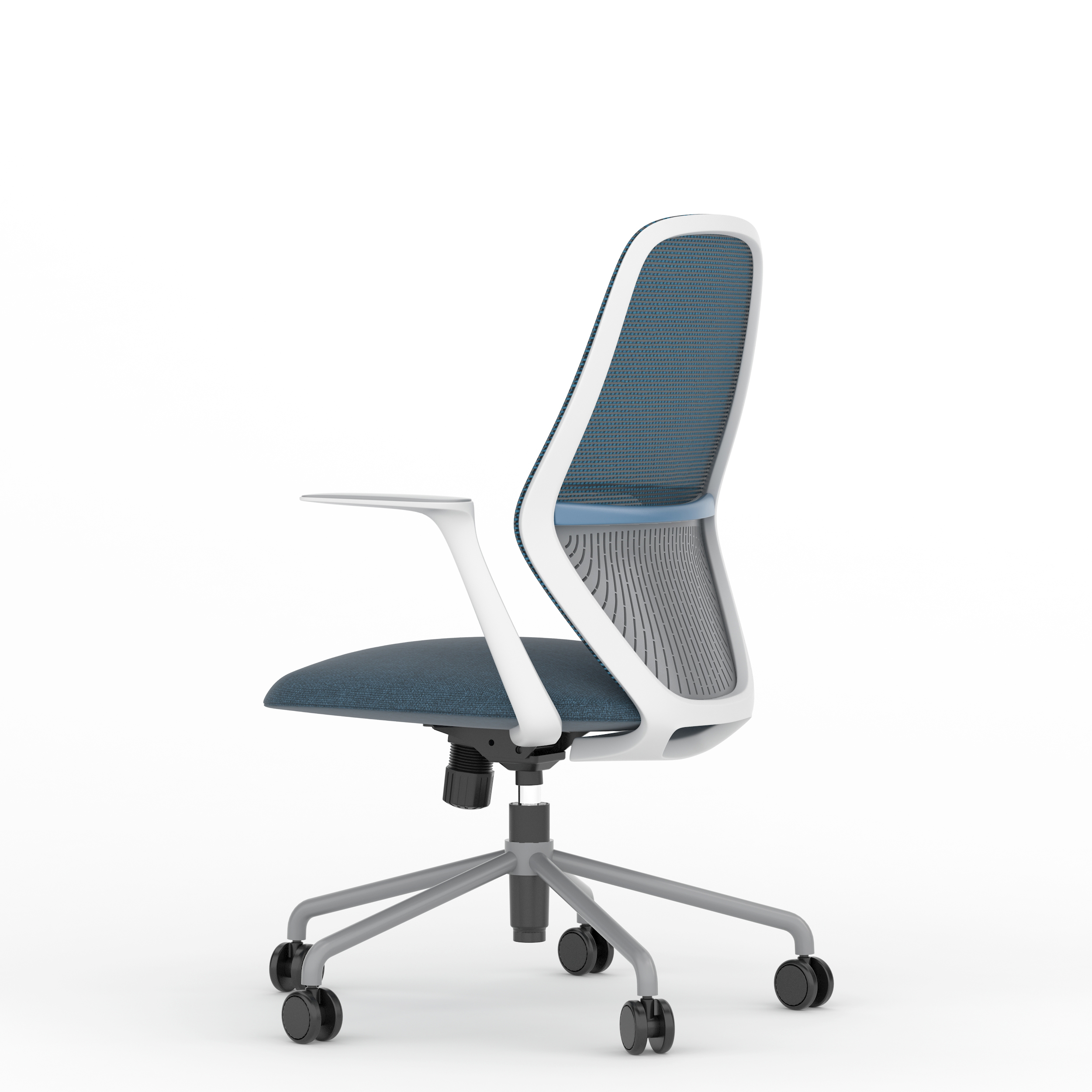
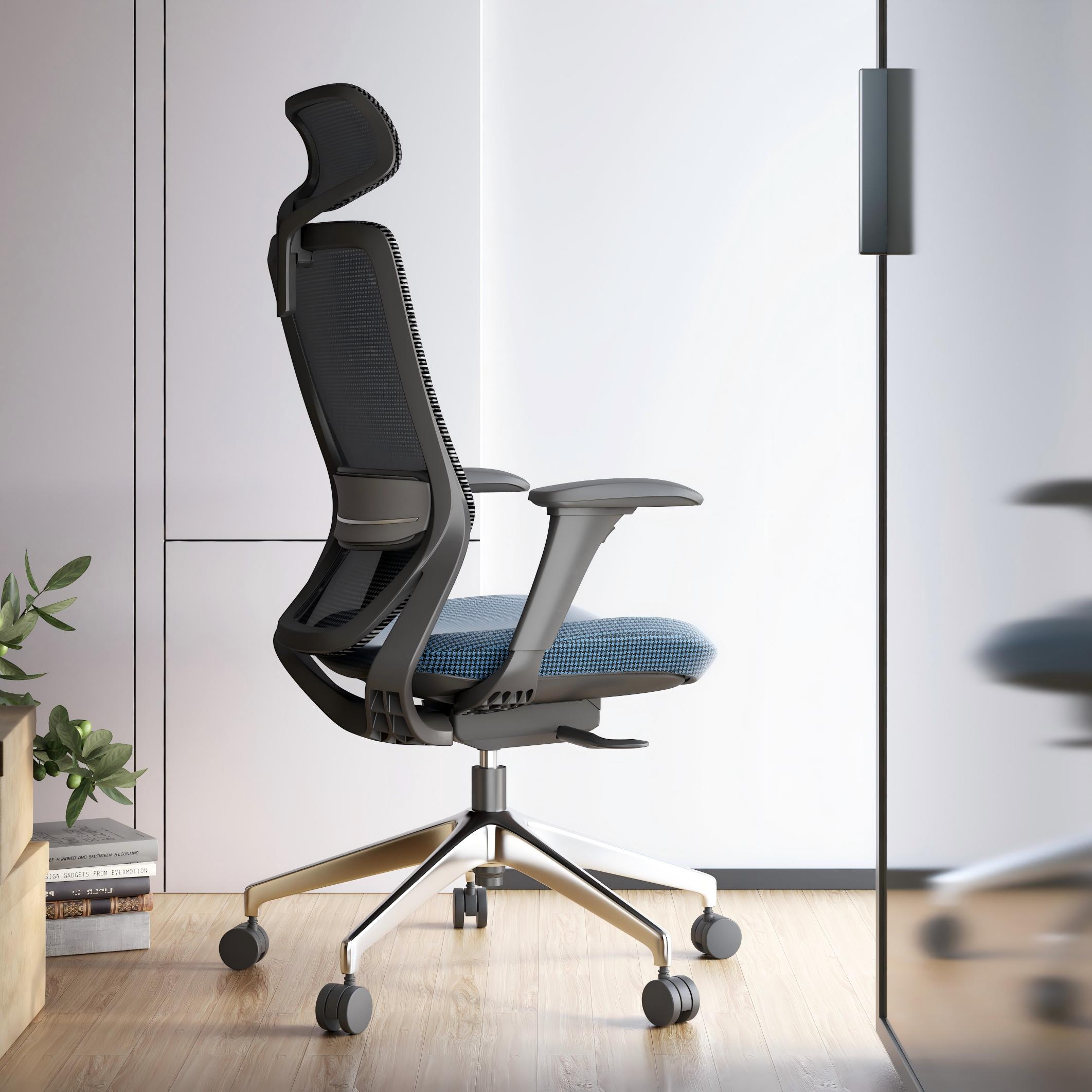
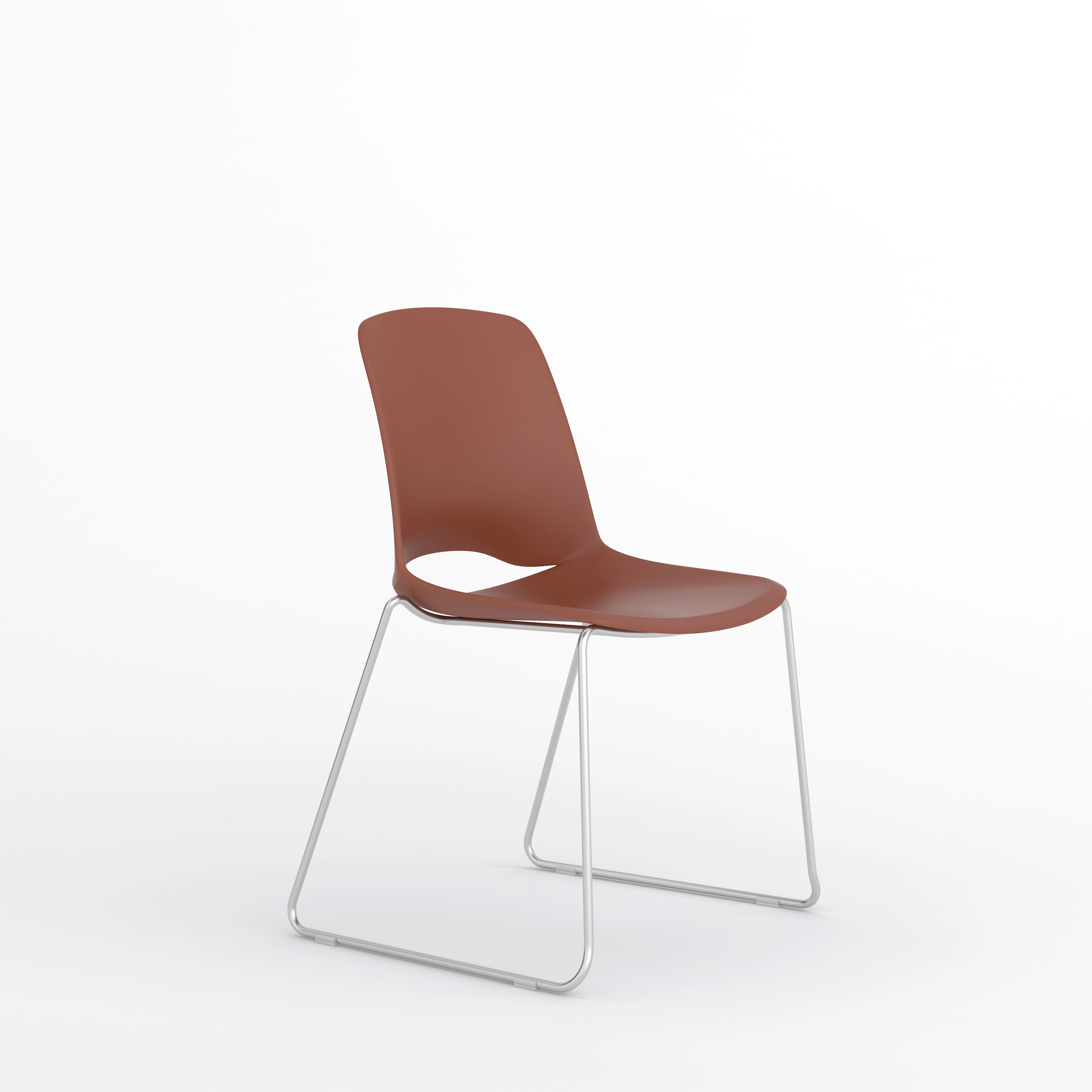
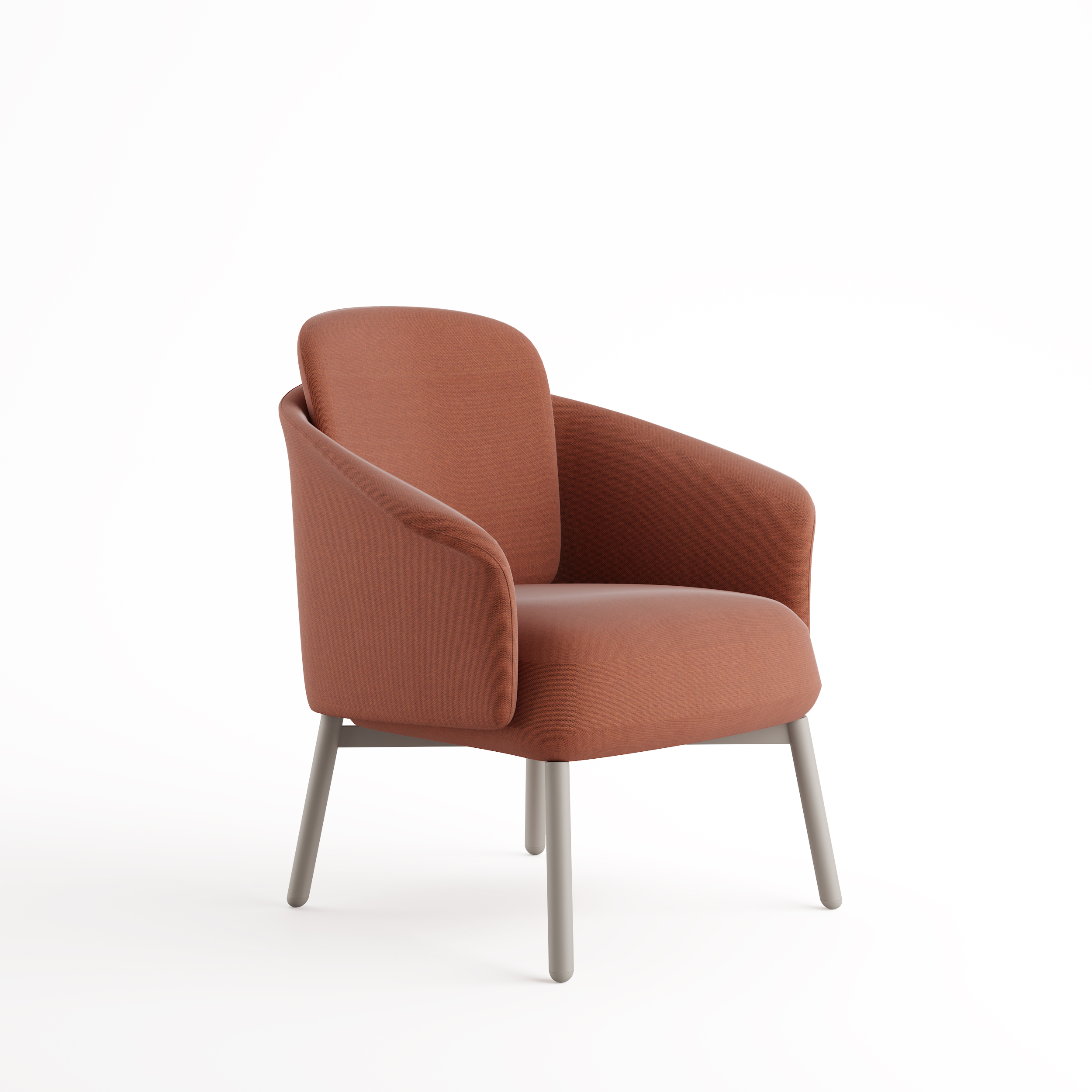
The journey of an office chair from concept to your workspace involves a sophisticated blend of engineering, craftsmanship, and industrial precision. Understanding how commercial office chairs are manufactured reveals the complexity behind what appears to be a simple piece of furniture. Modern office chair manufacturing combines traditional techniques with cutting-edge technology to create products that meet rigorous durability, comfort, and aesthetic standards. This process determines the quality, longevity, and performance of every office chair that enters the corporate environment.
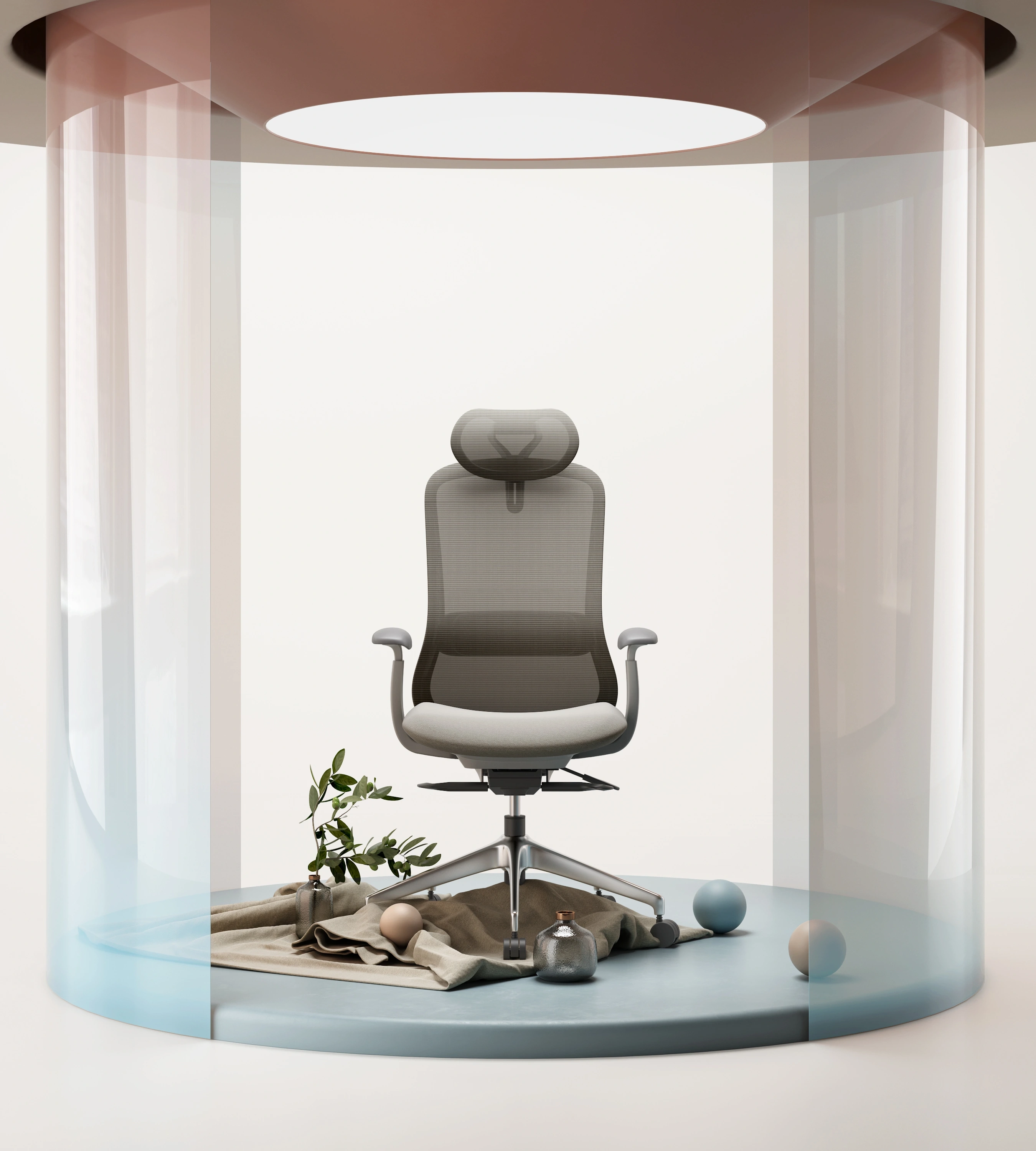
Today's commercial office chair production is a multi-stage operation that integrates design planning, material sourcing, component fabrication, assembly, testing, and quality assurance. Manufacturers must balance cost efficiency with performance requirements while meeting international safety and ergonomic standards. The office chair industry has evolved significantly, with manufacturers now implementing lean production methods, sustainability practices, and advanced quality control systems. Understanding these manufacturing processes helps procurement professionals, facility managers, and corporate buyers make informed decisions about office furniture investments.
The manufacturing of an office chair begins long before any physical production starts. Design teams work with ergonomic consultants to develop office chair concepts that balance user comfort with manufacturing feasibility. Engineers create detailed specifications including seat dimensions, backrest angles, armrest configurations, and mobility requirements. These specifications guide every subsequent manufacturing stage, ensuring consistency and performance across production batches. The office chair design process incorporates feedback from end-users, accessibility requirements, and workplace environment considerations.
Materials selection is critical to office chair quality and functionality. Manufacturers choose base materials including high-density foam for cushioning, engineered plastics for structural components, and various fabric or mesh options for upholstery. The office chair frame typically uses steel, aluminum, or reinforced plastic depending on weight capacity requirements and cost targets. Material sourcing involves evaluating supplier reliability, quality consistency, and compliance with environmental regulations. Premium office chair manufacturers invest in material testing to ensure longevity and performance under real-world usage conditions.
Commercial office chair manufacturers work with specialized suppliers to source components that meet precise specifications. The office chair industry relies on component suppliers for casters, gas cylinders, tilt mechanisms, and armrest hardware. Quality agreements establish minimum performance standards, material certifications, and inspection protocols. Each supplier of office chair components undergoes rigorous vetting to ensure compliance with safety standards and production schedules. Material certifications verify that upholstery, foam, and structural elements meet flammability, toxicity, and durability requirements established for commercial office chair use.
The office chair frame fabrication process typically begins with raw material preparation and cutting to specification. For metal-based office chair frames, this involves welding, bending, and surface finishing to create the structural backbone. Injection molding machines produce plastic components for many modern office chair designs, including seat pans, backrest shells, and armrest supports. The office chair manufacturing process requires precise tolerance control to ensure components fit together correctly during assembly. Quality inspectors measure frame dimensions, check weld integrity, and verify surface finishes at multiple production checkpoints.
Concurrent with frame production, padding and upholstery components are prepared separately. Foam cutting equipment shapes cushioning materials to exact specifications for each office chair model. Fabric and mesh materials are pre-cut and sometimes treated for stain resistance or flame retardancy. The office chair manufacturing workflow coordinates timing so that all component types arrive at the assembly line simultaneously. This synchronization prevents inventory buildup and maintains production flow efficiency.
The office chair assembly process brings together individual components into functional units through a series of coordinated steps. Assembly line workers or automated systems install foam onto seat pans, attach upholstery using adhesive or stapling techniques, and secure backrest components. The office chair assembly includes mounting the gas cylinder, installing the tilt mechanism, and attaching casters or base feet. Each station in the office chair assembly line performs specific tasks, with quality checks occurring at critical integration points. Modern office chair manufacturing often combines manual assembly for complex components with automated processes for repetitive tasks.
Advanced office chair manufacturers implement modular assembly strategies that allow customization without significantly increasing production complexity. Components are organized by function, enabling workers to configure different office chair variants from shared base assemblies. The office chair manufacturing line operates with lean principles, minimizing downtime and material waste. Ergonomic assessment of assembly tasks ensures worker safety and productivity during office chair construction. Documentation and traceability systems track each office chair through the assembly process for warranty and quality purposes.
Quality assurance is essential to office chair manufacturing and involves systematic testing of finished products. Each office chair undergoes stability tests where the product is positioned on various floor types to verify it does not tip. Height and tilt mechanism testing ensures the office chair adjusts smoothly through its full range and maintains settings without drift. Caster performance testing verifies that the office chair rolls properly and stops when required. Load testing applies weight to the office chair seat and backrest to confirm structural integrity and proper weight distribution.
Durability testing represents a critical phase in office chair quality verification. Manufacturers conduct intensive cycling tests where the office chair mechanisms actuate thousands of times to simulate years of normal use. The office chair upholstery undergoes abrasion testing to assess wear resistance. Flame retardancy testing confirms that the office chair meets safety regulations in various jurisdictions. These comprehensive tests identify potential failures before products reach customers and protect manufacturer reputation.
Commercial office chair manufacturing must satisfy numerous regulatory requirements and safety standards. The office chair industry follows standards such as ANSI/BIFMA, EN 1335, and ISO 4875 that establish performance, safety, and durability criteria. Testing laboratories conduct independent verification that each office chair model meets these standards before commercial release. Documentation requirements ensure that office chair manufacturers maintain records of compliance testing and material certifications. Third-party audits verify that office chair production facilities maintain consistent quality and safety practices.
Ergonomic compliance testing ensures that the office chair design supports proper posture and reduces injury risk. The office chair manufacturing process includes validation that seat height, backrest curvature, and armrest positioning align with ergonomic guidelines. Safety assessments examine sharp edges, pinch points, and potential hazards in office chair design. Manufacturers must address any compliance gaps before production scaling, requiring design modifications and retesting. This rigorous approach protects end-users and ensures the office chair meets expectations for workplace safety.
Modern office chair manufacturing increasingly incorporates sustainability practices that reduce environmental impact. Manufacturers optimize material usage during office chair production to minimize waste and reduce material costs. Recycling programs recover scrap foam, fabric remnants, and metal waste from office chair manufacturing for reprocessing or energy recovery. The office chair industry adopts water-based adhesives and low-VOC finishing processes to reduce chemical emissions. Sustainable office chair packaging uses recycled materials and reduces dimensional waste in shipping.
Advanced office chair manufacturers implement lifecycle assessment studies to evaluate environmental impact from material extraction through end-of-life disposal. These assessments inform office chair design decisions that improve sustainability without compromising quality. Certifications such as Cradle to Cradle and Environmental Product Declarations verify that office chair manufacturers meet sustainability standards. The office chair production process increasingly considers how design choices affect recyclability and material recovery.
Continuous improvement methodologies shape how modern office chair manufacturers enhance production efficiency. Six Sigma and Lean Manufacturing principles help office chair facilities identify waste, reduce defects, and accelerate production cycles. Automation investments in office chair manufacturing increase consistency while reducing labor costs and injury risks. Data analytics enable real-time monitoring of office chair production quality, allowing managers to identify and correct issues immediately. These optimization efforts improve profitability and product quality simultaneously.
Emerging technologies are reshaping office chair manufacturing operations. 3D printing enables rapid prototyping of office chair components and custom configurations. Artificial intelligence and machine vision systems enhance quality control by detecting defects that human inspectors might miss. The office chair manufacturing sector explores Internet of Things sensors to track component performance and predict maintenance needs. These innovations position the office chair industry to better meet evolving workplace demands while maintaining production efficiency and cost competitiveness.
Commercial office chair manufacturing uses high-density foam for cushioning, steel or aluminum for frames, and fabric or mesh for upholstery. The office chair base typically incorporates engineered plastics, casters are often made from polyurethane, and gas cylinders use nitrogen for smooth height adjustment. Material selection depends on the office chair's intended use, weight capacity requirements, and target market positioning. Premium office chair manufacturers invest in specialized materials that enhance durability and ergonomic performance.
The timeframe for office chair manufacturing from raw materials to finished product typically ranges from several weeks to a few months depending on production scale and complexity. Individual office chair assembly takes several hours once materials arrive at the facility, but overall lead times include material sourcing, component fabrication, and quality testing. Large-scale office chair manufacturing facilities operate continuously with staggered production batches to maintain steady output. Custom or specialized office chair orders may require extended timelines due to design modifications and additional testing protocols.
Office chair manufacturers must comply with standards including ANSI/BIFMA in North America, EN 1335 in Europe, and ISO 4875 internationally. These standards specify requirements for office chair stability, durability, ergonomic performance, and safety features. Testing protocols verify that the office chair withstands specified loads, maintains structural integrity after accelerated use simulation, and poses no hazard from sharp edges or pinch points. Compliance verification through third-party testing ensures that office chair products meet regulatory requirements before market release and protects manufacturer liability.
 Hot News
2026-09-26
2026-09-22
2026-09-15
2026-09-08
2026-09-01
2026-08-24

 EN
EN