Selecting the right office chair for your corporate headquarters is a strategic decision that directly impacts employee well-being, productivity, and long-term operational costs. Many organizations underestimate how much an office chair influences daily work performance, focus, and employee retention. The quality of an office chair affects not only physical comfort but also mental clarity and job satisfaction. When teams spend eight hours or more seated in poorly chosen office chairs, fatigue accumulates, posture deteriorates, and morale declines. Conversely, investing in thoughtfully selected office chairs demonstrates employee value and creates an environment where teams can perform at their best. This decision requires understanding ergonomic standards, material durability, aesthetic alignment with your brand, and budget considerations.
Corporate headquarters serve as the visual and operational center of your organization. The office chairs you choose communicate your company values to employees, clients, and partners who visit. An office chair selection process that prioritizes both form and function sets the tone for a professional, forward-thinking workplace. Whether your headquarters spans multiple floors or occupies a single open-plan space, consistency and intentionality in office chair choices reinforce brand identity. This guide walks you through the essential criteria for selecting office chairs that balance comfort, durability, aesthetics, and fiscal responsibility.
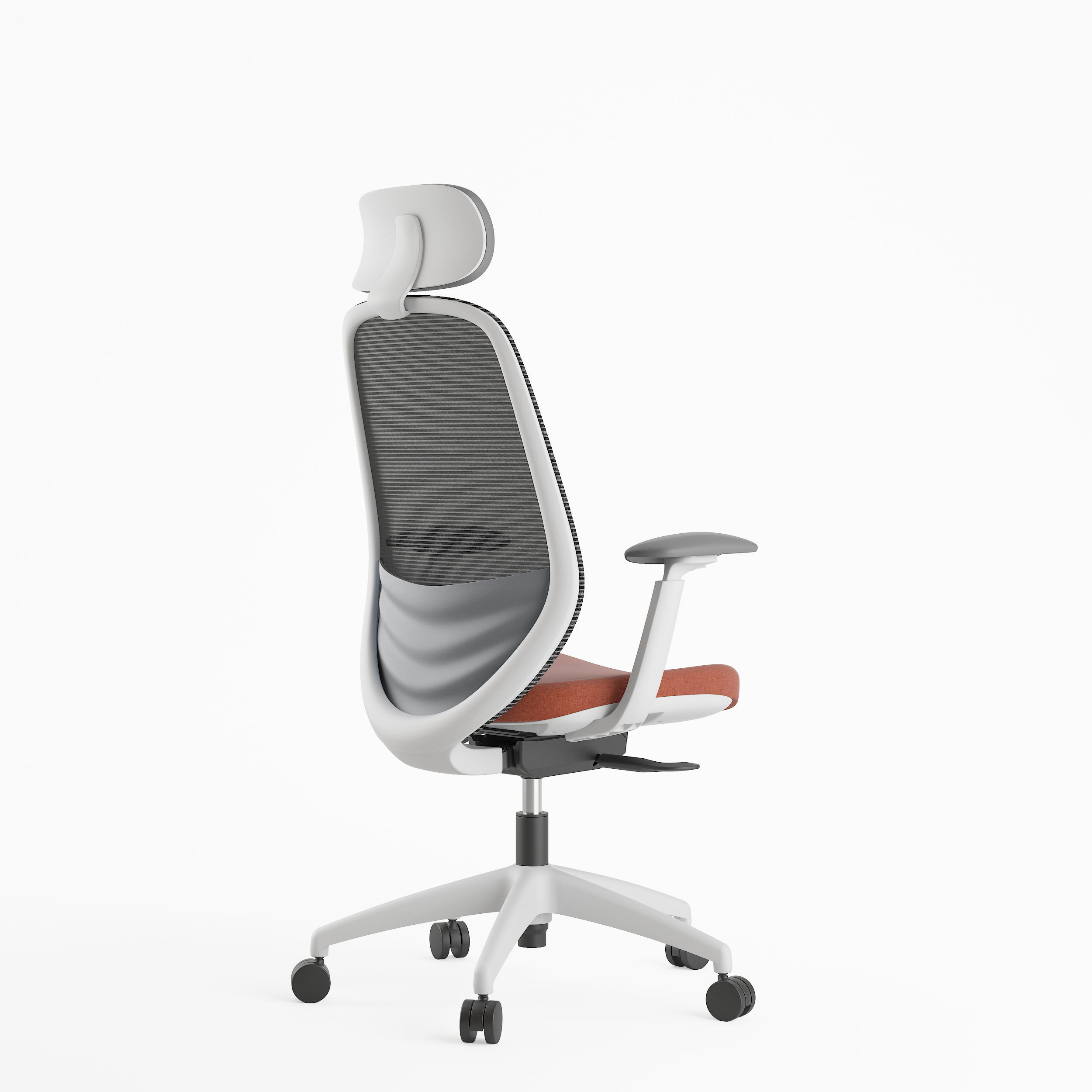
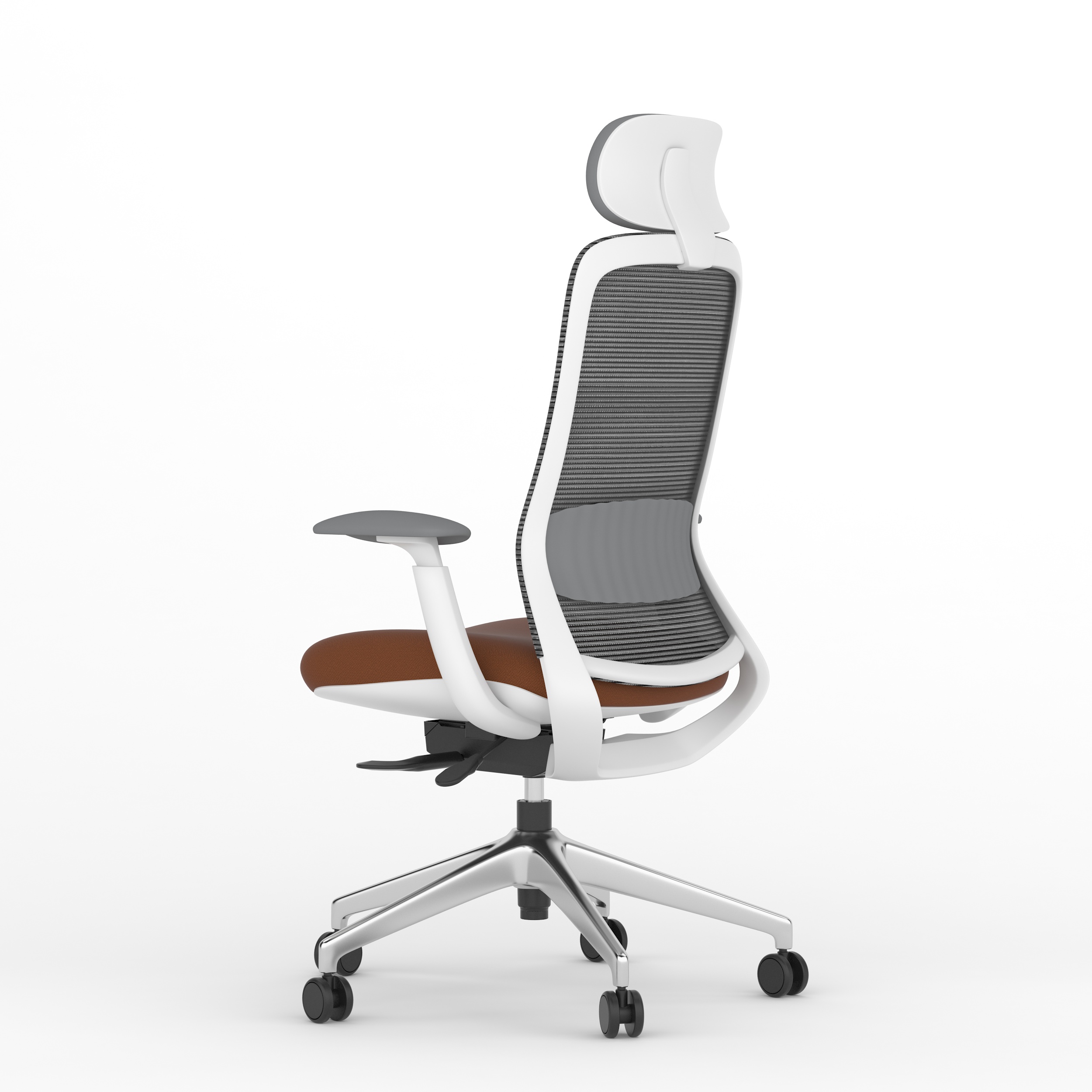
An office chair designed for corporate use must support the natural spine curve and promote healthy posture throughout the workday. Lumbar support is the single most critical feature in any office chair; without it, lower back strain becomes inevitable during extended sitting. The best office chair provides adjustable lumbar depth so that each employee can customize support to their unique spinal anatomy. Armrest height and width should allow employees to maintain neutral shoulder and elbow positioning while typing or using a mouse. Seat depth and width matter significantly—an office chair that is too deep places pressure on the back of the knees, while one that is too narrow creates instability. Tilt tension controls allow users to recline slightly without feeling locked into one position, and an office chair with smooth tilt action reduces the strain on neck and shoulder muscles during dynamic movement throughout the day.
The material used in an office chair's construction determines its lifespan, maintenance requirements, and how it performs under continuous use across multiple shifts. High-density foam in seat and backrest maintains its supportive properties over years of use, while cheap foam compresses and loses firmness within months. Breathable mesh backing prevents heat and moisture buildup during long work sessions, making it an ideal office chair material for open-plan environments where multiple units sit in close proximity. For corporate settings, an office chair upholstered in commercial-grade polyester or leather offers easier cleaning and superior durability compared to fabric that attracts dust and stains. The base and caster wheels should be commercial-rated; a quality office chair will have metal components and smooth-rolling wheels rated for frequent movement across various floor types. Pneumatic height adjustment cylinders in a reliable office chair should be rated for at least 10 years of regular use without leaking or failing.
Visual consistency across your headquarters reinforces professional image and creates a cohesive environment that reflects your organizational culture. When choosing an office chair for multiple departments, selecting a standard model or a limited palette of complementary models prevents visual chaos and maintains an intentional aesthetic. An office chair in black, gray, or navy blue suits most corporate settings and works across traditional and modern design schemes. Color coordination between office chairs and desk systems creates a polished, intentional look that impresses stakeholders and makes employees feel valued. Some organizations select an office chair that reflects brand colors or materials used in logo design, creating subtle continuity. The profile of an office chair—whether sleek and minimalist or more traditional with rolled edges—should align with your company's personality and the overall architectural style of your headquarters.
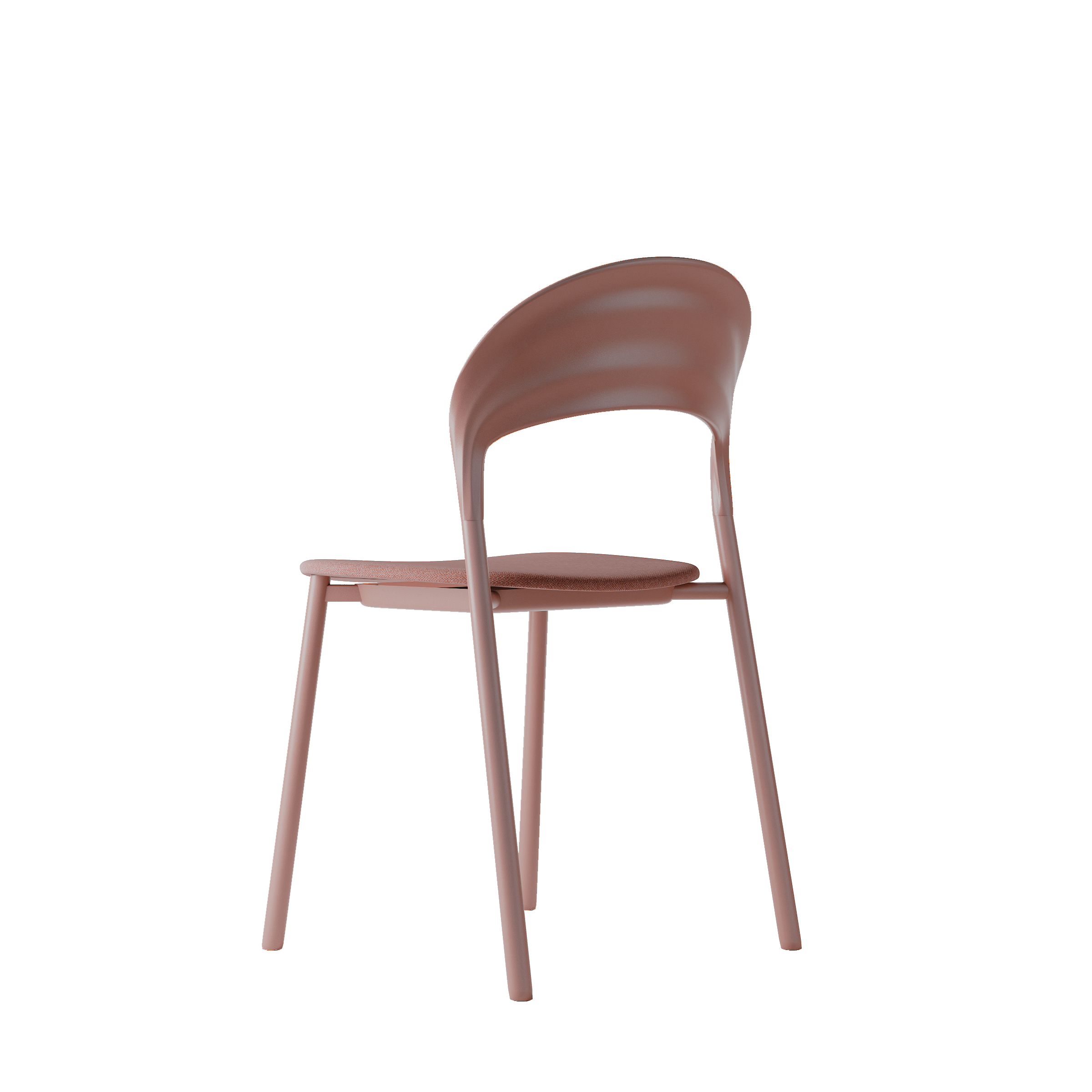
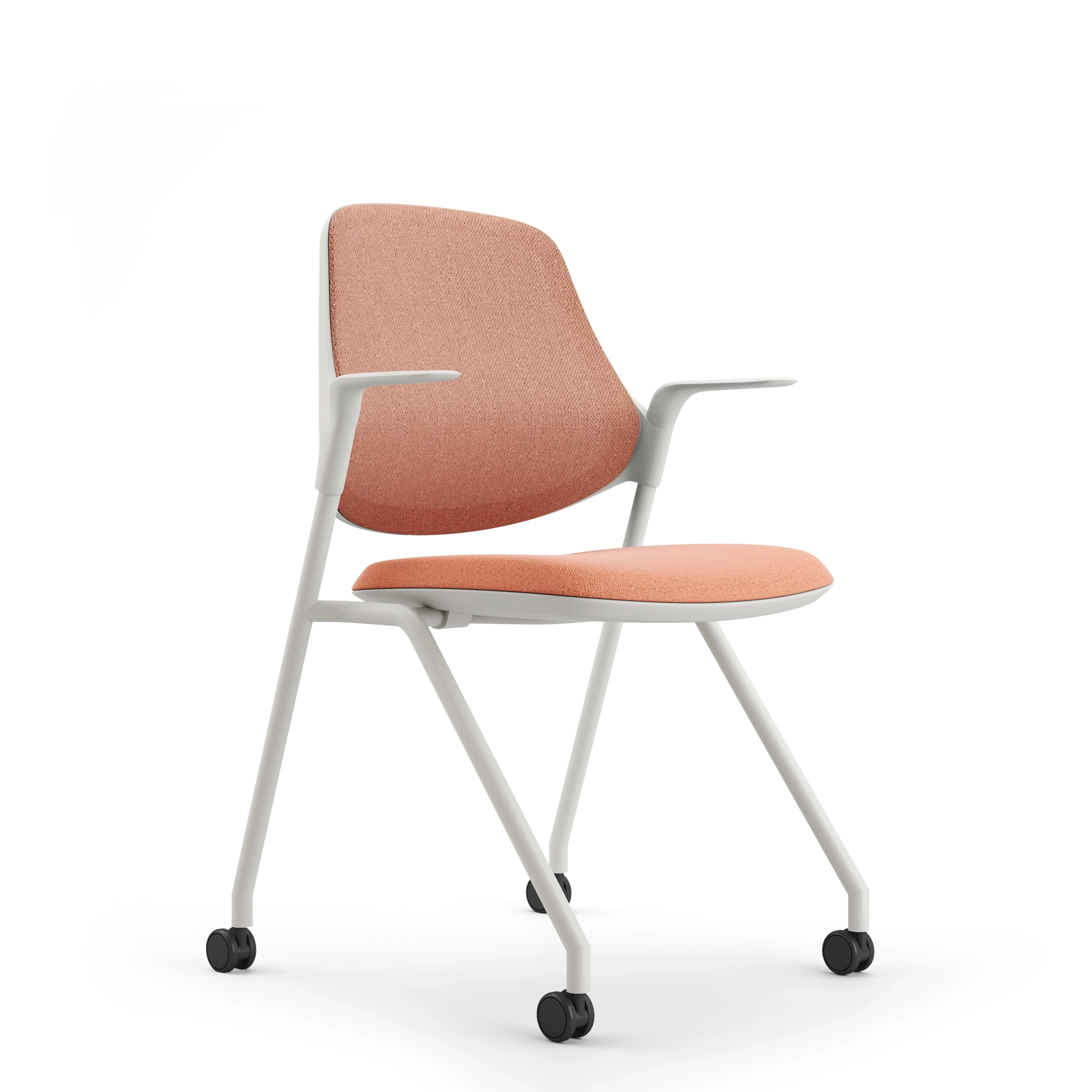
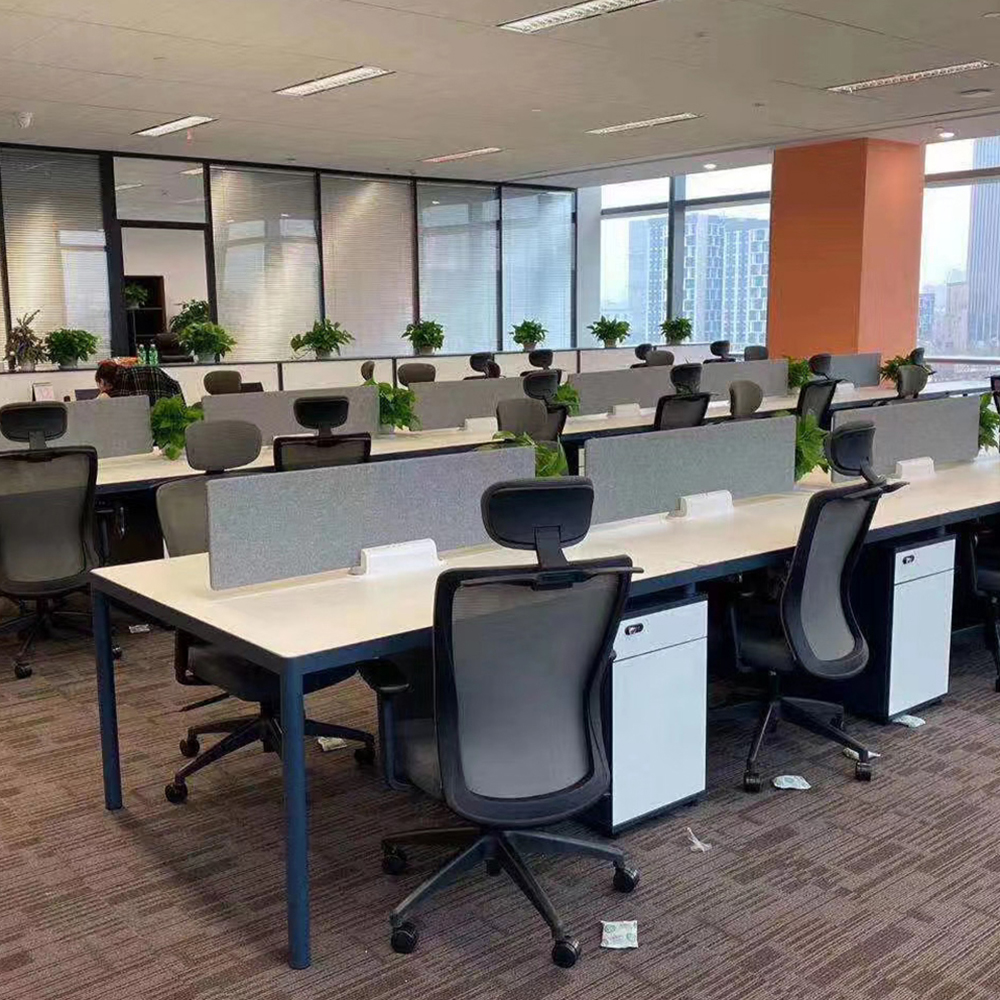
Corporate headquarters typically include executive offices, open-plan work zones, meeting rooms, and collaboration spaces, each requiring thoughtful office chair considerations. An office chair for executive areas might prioritize premium leather and polished finishes that convey authority and success, while the same office chair style in mesh might suit collaborative zones. Reception areas benefit from an office chair that combines comfort with visual sophistication, as visiting clients form impressions based on these details. A single office chair model might be inappropriate for all zones; instead, selecting two or three compatible office chair designs allows flexibility while maintaining overall visual harmony. The height and scale of each office chair should work proportionally with desks and conference tables to avoid awkward visual imbalances in your headquarters layout.
An office chair represents a significant line item in facilities budgets, yet treating this decision purely as a cost-minimization exercise often backfires. The cheapest office chair typically fails within two to three years, requiring replacement, retraining for new adjustments, and operational disruption. A mid-range office chair selected for durability may cost 40 to 60 percent more initially but delivers eight to ten years of reliable service, dramatically reducing total cost of ownership. Corporate headquarters furniture procurement should calculate lifecycle cost by dividing the office chair price by expected years of useful life, then comparing across options. An office chair priced at $400 lasting four years costs $100 annually, while a $600 office chair lasting nine years costs only $67 annually. Factoring in replacement labor, disposal costs, and productivity impacts of failed office chairs makes premium selections financially rational for large deployments.
When furnishing corporate headquarters with dozens or hundreds of office chair units, volume purchasing opens access to significant discounts and customization options unavailable to individual buyers. Negotiating directly with office chair manufacturers or authorized distributors often yields 20 to 35 percent savings compared to retail pricing. An office chair customized with your company logo or in specific materials becomes feasible at scale, reinforcing brand identity at minimal additional cost. Phased purchasing of office chairs allows you to test performance and employee satisfaction before committing to full deployment across your headquarters. Bulk ordering also streamlines procurement timelines, ensures consistent quality control, and simplifies warranty and service arrangements. A strategic office chair purchase plan that aligns with budget cycles and office expansion timelines maximizes financial efficiency and operational planning.
Even the finest office chair delivers minimal benefit if employees don't know how to adjust it properly for their body and work style. Providing brief orientation training on adjustment mechanisms—lumbar depth, seat height, armrest positioning, and tilt tension—ensures each office chair supports optimal posture from day one. An office chair adjustment guide posted on your intranet or displayed at workstations serves as a lasting reference for correct positioning. Ergonomic assessments conducted by occupational health professionals can identify employees who need specialized office chair configurations or supplementary support equipment. Recognizing that one office chair height adjustment rarely suits all body types, allowing employees to request minor modifications or height-variant models demonstrates commitment to inclusivity. Follow-up surveys after office chair deployment reveal satisfaction levels and identify any unexpected issues that may require design adjustments or additional training.
Deploying new office chairs across an entire corporate headquarters simultaneously can create logistical challenges and prevent learning from early feedback. A phased rollout that starts with one department or floor allows your organization to troubleshoot issues, gather employee reactions, and refine the selection before broader implementation. An office chair pilot program in a single open-plan zone or executive suite generates real-world performance data and identifies unexpected compatibility issues with existing desks or equipment. Collecting structured feedback through surveys or focus groups three weeks and three months after office chair deployment captures valuable insights about comfort, durability, and perceived value. Addressing early concerns through adjustments, supplementary support, or model refinements before full headquarters deployment prevents large-scale dissatisfaction and ensures smoother organizational adoption of the new office chairs.
Lumbar support stands as the most critical feature in any office chair selection because lower back pain is the leading source of workplace discomfort. An office chair without adjustable lumbar support forces employees to adapt their bodies to the chair rather than having the office chair adapt to them, resulting in chronic pain and decreased productivity. Every office chair considered for corporate deployment should offer depth-adjustable lumbar support that allows customization across different body types and preferences.
Most corporate headquarters benefit from selecting one primary office chair model for general use, with perhaps one secondary option for specialized zones like executive areas or accessibility requirements. Limiting standardization to two office chair models simplifies procurement, maintenance, parts inventory, and training while still providing necessary flexibility. An office chair standardization strategy that exceeds three models typically creates unnecessary complexity without meaningful benefit and complicates facilities management.
An office chair should never require choosing between comfort and brand alignment; the best corporate decisions ensure both characteristics coexist. Many office chair manufacturers offer collections with consistent design language across multiple comfort tiers, allowing selection of models that satisfy ergonomic requirements while maintaining visual cohesion. An office chair that looks professional but causes physical discomfort generates employee dissatisfaction and productivity losses that far exceed any brand presentation benefits.
 Hot News
2026-09-26
2026-09-22
2026-09-15
2026-09-08
2026-09-01
2026-08-24

 EN
EN