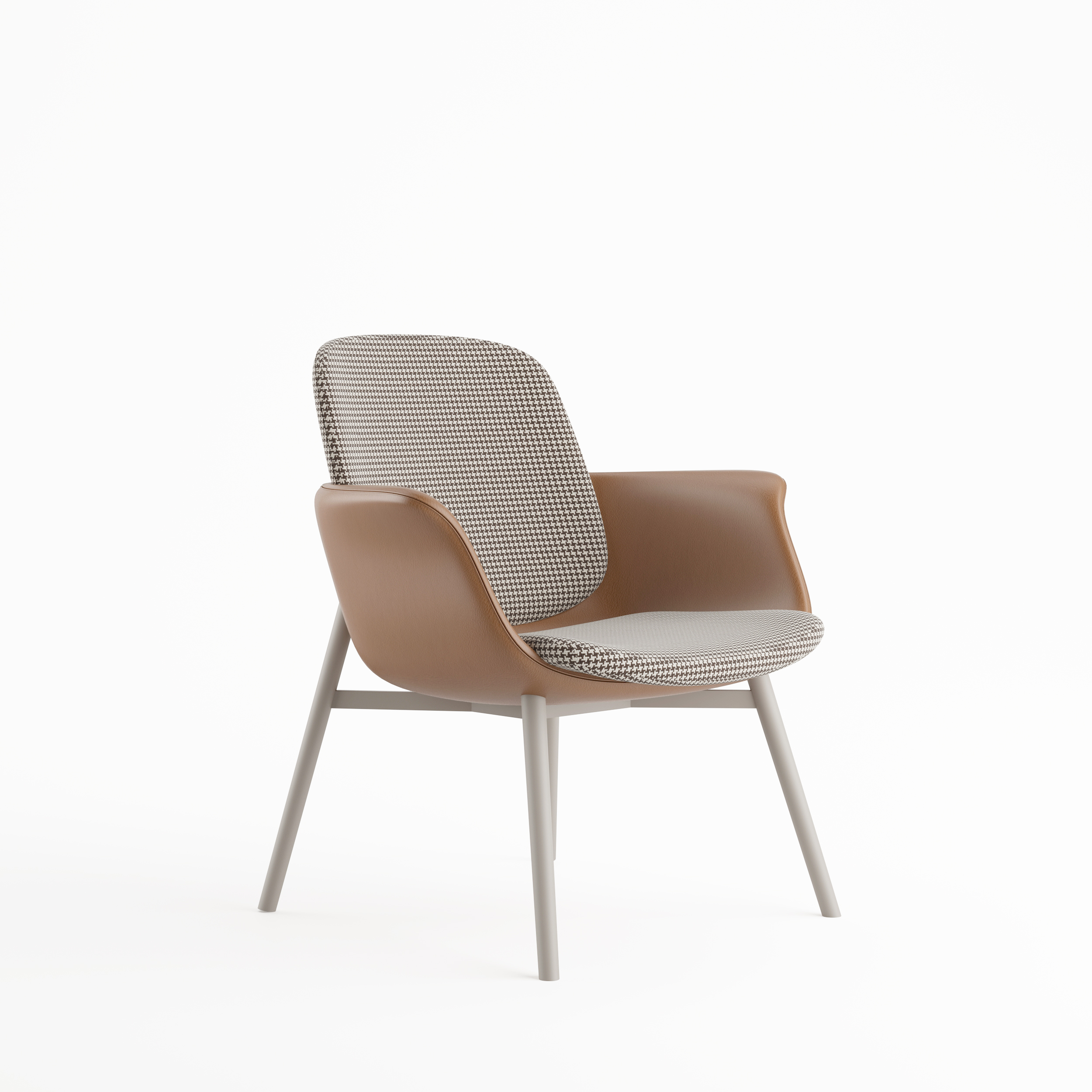
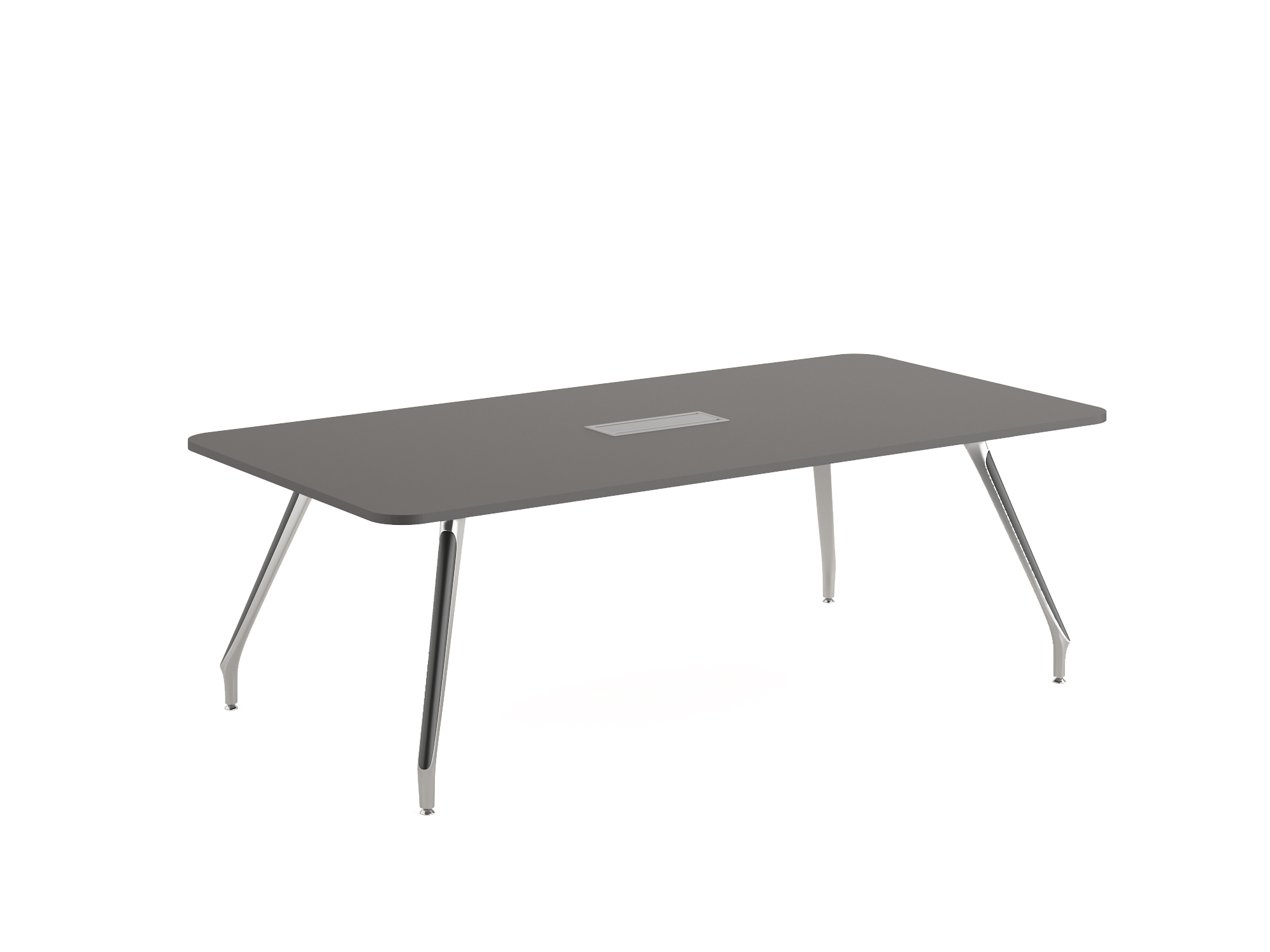
Selecting the right office seating for large commercial projects requires a strategic approach that balances employee comfort, budget constraints, and long-term organizational goals. Office seating decisions directly impact productivity, employee retention, and workplace culture, making this selection process critical for project success. Large-scale implementations demand careful planning, vendor evaluation, and a clear understanding of your workforce's specific needs.
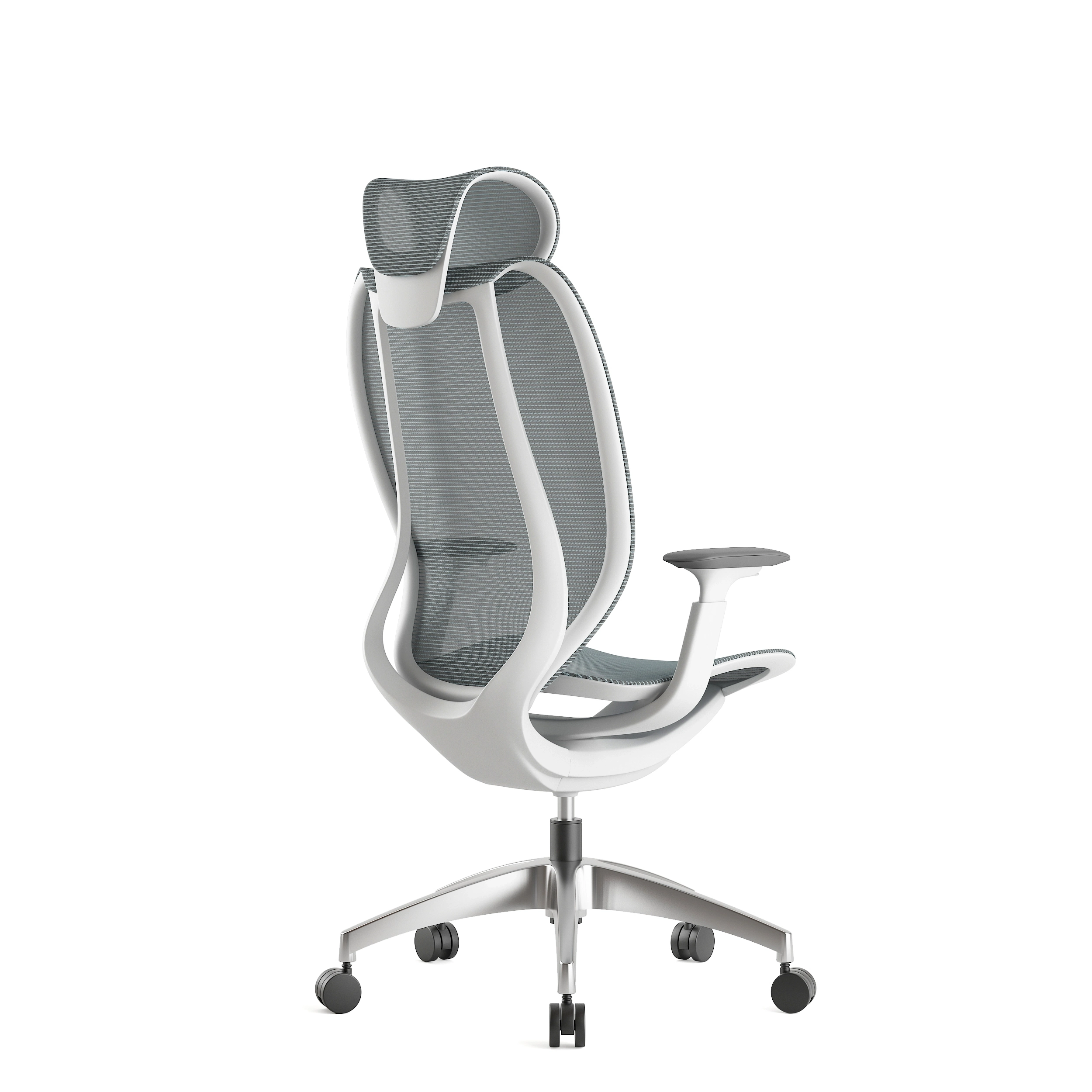
Whether you're furnishing a new facility or renovating an existing workspace, understanding how to evaluate office seating options ensures you make informed decisions that serve both employee wellbeing and organizational budgets. This guide walks you through the essential factors that influence office seating selection for commercial environments, helping you navigate vendor relationships, specification requirements, and implementation timelines effectively.
Before selecting office seating, conduct a comprehensive audit of your workspace layout and employee demographics. Map out different work zones—executive areas, collaborative spaces, call centers, or open-plan environments—since each requires different office seating specifications. Understanding the number of employees, their roles, and their time spent sitting directly influences which office seating solutions will perform best across your organization.
Employee comfort drives productivity and reduces workplace injuries, making ergonomic office seating a priority investment. Assess whether your workforce includes desk-bound roles requiring eight-hour seated comfort or dynamic workers who alternate between sitting and standing. Proper office seating with lumbar support, adjustable armrests, and seat height controls minimizes musculoskeletal strain and demonstrates organizational commitment to employee wellness. Consider conducting employee surveys or fit tests to identify specific ergonomic preferences before committing to large office seating purchases.
Commercial-grade office seating must withstand intensive daily use across multiple years. Evaluate fabric durability ratings, frame construction quality, and caster performance under heavy traffic conditions. A higher initial investment in premium office seating often yields lower replacement costs and reduced maintenance expenses over five to ten years. Review manufacturer warranties carefully, ensuring office seating includes coverage for components like cylinders, mechanisms, and upholstery wear. Calculate total cost of ownership by factoring in initial purchase price, maintenance contracts, replacement cycles, and potential productivity losses from uncomfortable seating.
Large commercial projects benefit from office seating that adapts to evolving organizational needs. Select vendors who offer customizable options for color, material, and mechanical features so your office seating aligns with brand identity and workspace design. Confirm that office seating can scale as your organization grows or reconfigures spaces, ensuring future flexibility without complete replacement. Modular office seating designs allow you to adjust configurations, add features, or swap components as workplace requirements change.
Commercial office seating must meet industry safety and accessibility standards, including ANSI/BIFMA specifications and ADA compliance requirements. Ensure your selected office seating adheres to fire safety codes, chemical emission standards, and stability regulations specific to your jurisdiction. Request third-party certifications for your office seating selections, documenting compliance for audit purposes and protecting your organization from liability risks.
Implementing office seating across a large commercial project requires structured planning to minimize operational disruption. Develop a phased approach that staggers office seating deliveries by department or building section, allowing time for installation and employee adjustment. Coordinate with facilities teams to ensure adequate storage, assembly resources, and installation timelines. Track office seating inventory meticulously, maintaining detailed records of model numbers, specifications, and deployment locations for future maintenance and replacement decisions.
Long-term success with office seating depends on reliable vendor relationships and accessible support services. Select office seating vendors who provide comprehensive onboarding, adjustment training, and responsive customer service. Negotiate service level agreements that define response times for warranty claims, replacement parts availability, and technical support. Establish clear communication channels with your vendor, designating internal contacts who manage office seating orders, track deliveries, and coordinate maintenance scheduling. Request training sessions for facilities staff on office seating adjustment, troubleshooting, and minor repairs to extend product life and optimize employee satisfaction.
Introducing new office seating across a large organization requires change management planning to ensure adoption and satisfaction. Communicate the benefits of your selected office seating in advance, highlighting ergonomic improvements and comfort enhancements employees can expect. Provide adjustment guides and video tutorials so employees understand how to customize their office seating for optimal personal comfort. Encourage feedback during initial months of use, capturing data on satisfaction levels, adjustment issues, and any discomfort concerns related to your office seating choices.
Budget for office seating varies widely based on quality standards, customization requirements, and quantity. Standard ergonomic office seating typically ranges from $300 to $800 per unit, while premium or highly customized office seating may exceed $1,500 per chair. Large projects often negotiate volume discounts, reducing per-unit costs by 15 to 30 percent. Include contingency budgets for unexpected replacements, additional configurations, or upgrade requests that emerge during implementation phases.
Quality commercial office seating generally lasts 7 to 10 years with proper maintenance, though this depends on usage intensity and environmental factors. High-traffic environments may require office seating replacement within 5 to 7 years, while executive or occasional-use office seating may exceed 10 years. Regular maintenance, including mechanism lubrication, upholstery cleaning, and component inspection, extends office seating lifespan significantly.
The choice between mesh and fabric office seating depends on your workspace environment and aesthetic preferences. Mesh office seating offers superior breathability and heat management, making it ideal for active work environments or warm climates. Fabric office seating provides acoustic benefits, softer appearance, and better stain concealment in formal settings. For large commercial projects, consider mixing both options across different departments based on specific functional and design requirements.
 Hot News
2026-09-26
2026-09-22
2026-09-15
2026-09-08
2026-09-01
2026-08-24

 EN
EN