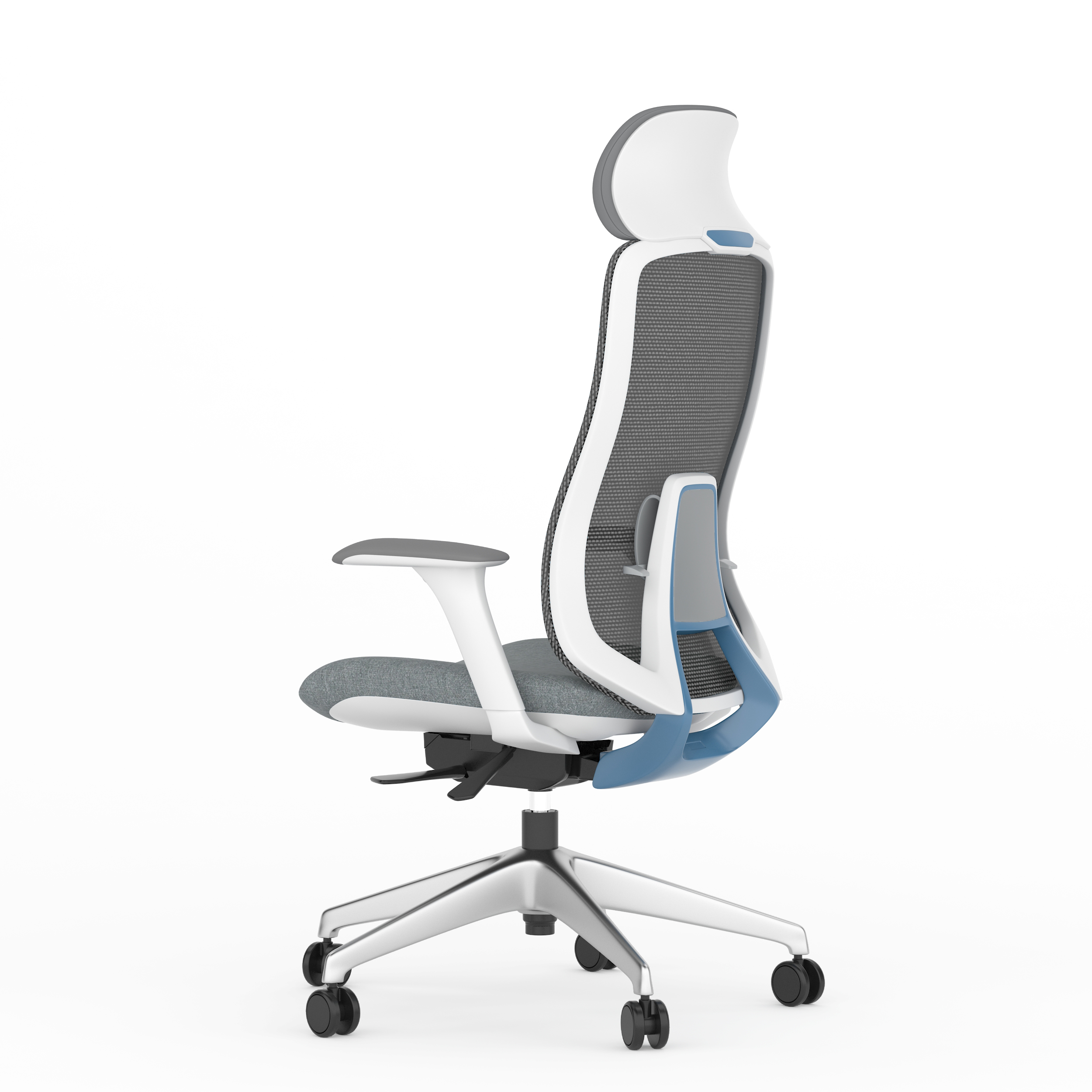
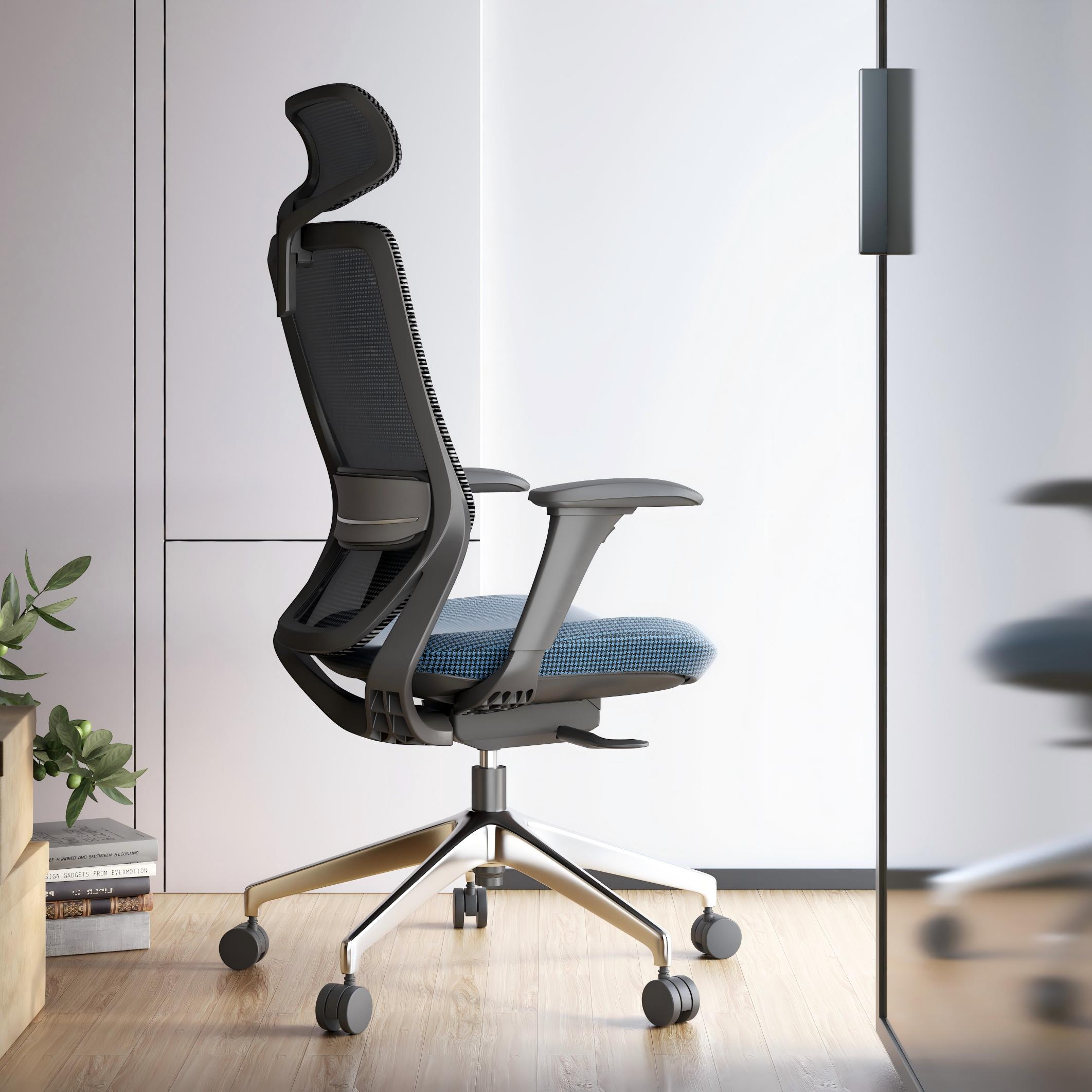
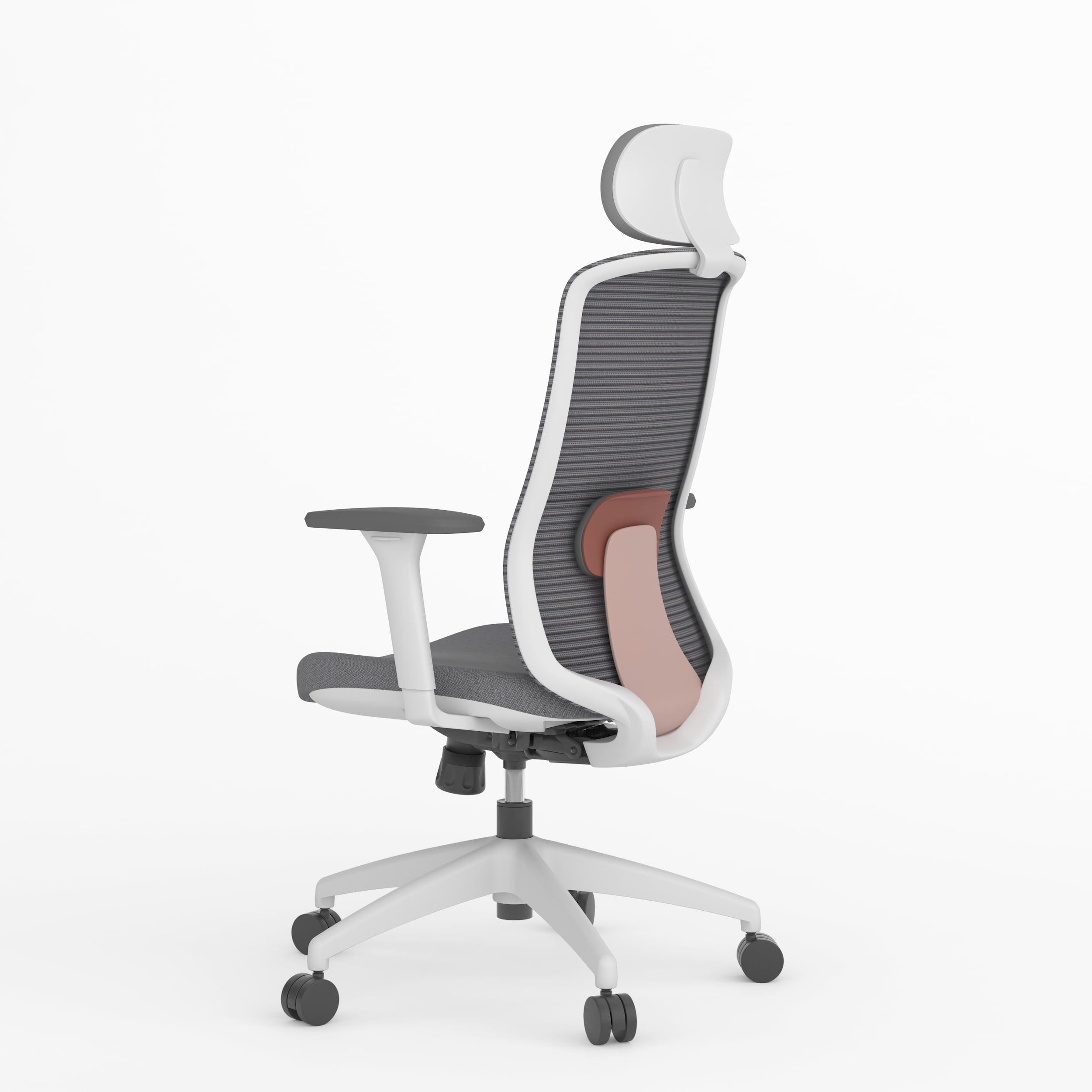
Office seating plays a far more strategic role in workplace branding than most organizations realize. When employees spend eight or more hours daily sitting in poorly designed chairs, the physical discomfort sends an unintended message about company priorities. Conversely, thoughtfully selected office seating communicates respect for employee wellbeing, attention to detail, and a commitment to creating an environment where people want to work. This alignment between physical workspace and brand values directly influences how employees perceive their employer and how visitors experience the organization's culture upon entering the office.
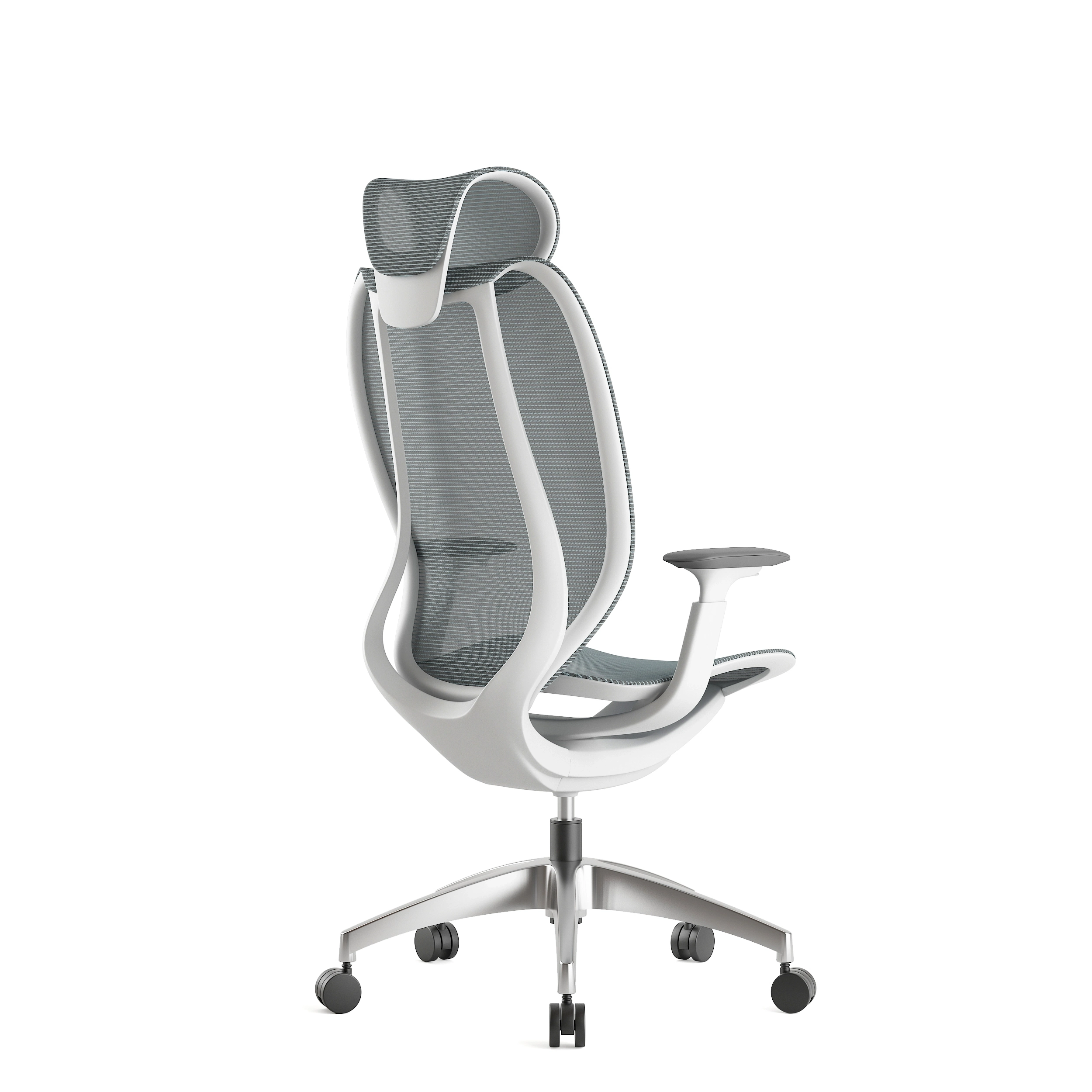
The relationship between office seating and workplace branding extends beyond comfort. Strategic office seating investments demonstrate organizational values, influence employee retention, and shape client perceptions during meetings. Companies that prioritize quality office seating signal professionalism, sustainability, and employee-centric leadership. This physical manifestation of brand promise creates a competitive advantage in talent acquisition and client relationships, making office seating a tangible investment in brand equity rather than a mere operational expense.
Every element of office seating communicates something about organizational culture before a single word is spoken. When clients walk into a conference room filled with ergonomic, contemporary office seating, they form immediate conclusions about the company's standards and professionalism. Office seating that appears worn, mismatched, or uncomfortable suggests neglect and sends mixed messages about attention to quality. Companies with cohesive office seating design strategies reinforce their brand identity and create visual consistency that strengthens brand recognition. This non-verbal communication through office seating becomes especially powerful during client meetings, investor pitches, and recruitment interviews where first impressions matter significantly.
Organizations committed to sustainability find that eco-friendly office seating directly reflects corporate responsibility values. Tech-forward companies often choose modern, minimalist office seating that mirrors their innovative positioning. Traditional law firms typically invest in classic, high-quality office seating that conveys stability and expertise. This intentional alignment between office seating choices and stated brand values creates authenticity that resonates with employees, clients, and stakeholders. When office seating contradicts brand positioning, it undermines credibility and creates cognitive dissonance. Strategic office seating selection becomes a visible commitment to walking the talk of company values.
Office seating directly influences daily employee experience and satisfaction levels. Employees who spend their workday in poorly designed office seating experience physical pain, reduced productivity, and decreased job satisfaction. Conversely, quality office seating reduces musculoskeletal strain, increases focus, and signals to employees that management cares about their wellbeing. This distinction becomes crucial during competitive talent recruitment, where candidates increasingly evaluate total work environment quality. Office seating quality often appears in employee reviews on platforms like Glassdoor, where it becomes part of the organization's public brand perception. Companies investing in ergonomic office seating see measurable improvements in employee retention rates and engagement scores.
Beyond physical comfort, office seating influences psychological belonging and team cohesion. When organizations provide consistent, quality office seating across all departments and levels, it demonstrates egalitarian values and reduces hierarchical tension. Mismatched or premium office seating reserved only for executives creates visible status divisions that damage team culture. Inclusive office seating strategies that prioritize comfort for all employees strengthen psychological safety and foster collaboration. This aspect of office seating design directly impacts company culture, employee morale, and the internal brand narrative. When employees feel valued through thoughtful office seating provisions, they become brand ambassadors who speak positively about workplace experience.
Client meetings are critical branding moments where office seating plays a supporting but significant role. Visitors notice whether conference room office seating appears professional, well-maintained, and appropriate for the industry. Poor-quality office seating in client-facing spaces contradicts marketing messages about professionalism and attention to detail. Strategic office seating selection in meeting areas reinforces service quality promises and builds confidence in the organization's capabilities. The quality and style of office seating become part of the overall environmental branding that shapes client relationships and repeat business. Companies competing in high-stakes industries recognize that office seating is part of the total brand experience delivered to clients.
In competitive markets, office seating choices contribute to workspace differentiation and memorable brand positioning. Organizations that invest in distinctive, high-quality office seating create memorable environments that clients and partners want to visit. Unique office seating that reflects company personality makes the workspace Instagram-worthy and generates organic brand visibility. This strategic approach to office seating transforms physical space into a brand asset that supports marketing objectives. Companies with distinctive office seating arrangements report stronger brand recall among clients and improved networking effectiveness. office seating investments in conference and client-facing areas yield measurable returns through enhanced professional image and relationship strengthening.
Organizations should begin by evaluating whether current office seating aligns with stated brand values and positioning. Conducting workplace audits that examine office seating consistency, comfort, and aesthetic cohesion provides baseline data for strategic decisions. This assessment should include employee feedback about office seating satisfaction and client observations about workspace professionalism. Office seating decisions should reflect company size, industry standards, budget constraints, and long-term growth strategy. Companies should establish office seating guidelines that balance individual needs with cohesive brand presentation across all areas. This strategic framework ensures that office seating investments support both employee wellbeing and brand objectives simultaneously.
Long-term office seating strategies should prioritize quality, durability, and adaptability rather than short-term cost reduction. Investing in premium office seating upfront reduces replacement cycles and maintains consistent brand presentation. Organizations should select office seating from manufacturers known for reliability, sustainability, and ergonomic innovation. Regular maintenance and updating of office seating signals organizational commitment to employee care and brand excellence. Phased replacement approaches allow companies to improve office seating quality systematically without budget disruption. Strategic office seating planning ensures that physical workspace evolves to support changing business needs while maintaining brand consistency.
Quality office seating reduces physical discomfort, minimizes distractions from pain or discomfort, and enables employees to focus on work tasks. Ergonomic office seating supports proper posture, reduces fatigue, and prevents injury-related absences. Employees in comfortable office seating demonstrate measurably higher productivity levels and engagement scores compared to those in poor-quality seating. Organizations report that upgrading office seating typically yields productivity improvements within the first month.
Modern office seating typically features clean lines, sustainable materials, adjustable ergonomic functions, and versatile aesthetics that work across diverse workplace styles. Contemporary office seating often emphasizes flexibility to support hybrid work environments and collaborative spaces. Companies positioning themselves as innovative and employee-centric frequently choose minimalist office seating with premium finishing. Industry-specific office seating choices vary, but contemporary options generally prioritize both form and function to reflect progressive brand values.
While some variation in office seating based on specific job requirements makes sense, excessive differentiation based on hierarchy damages workplace culture and contradicts inclusive brand messaging. Functional office seating variations should address ergonomic needs rather than status signaling. Many successful companies maintain consistent office seating quality standards across all departments while allowing minor adjustments for specialized roles. This approach balances individual needs with equitable brand communication and strengthens employee engagement.
 Hot News
2026-09-26
2026-09-22
2026-09-15
2026-09-08
2026-09-01
2026-08-24

 EN
EN