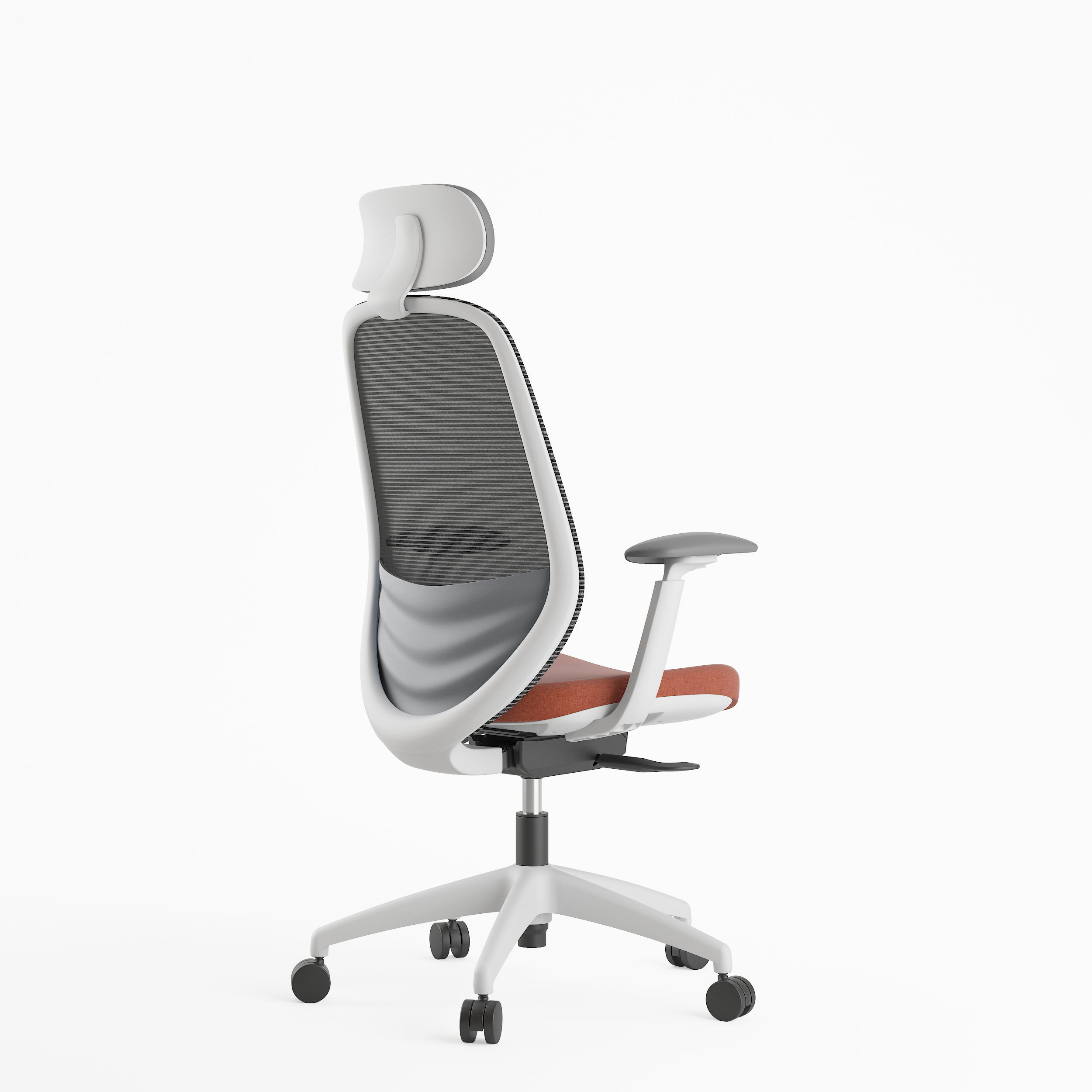
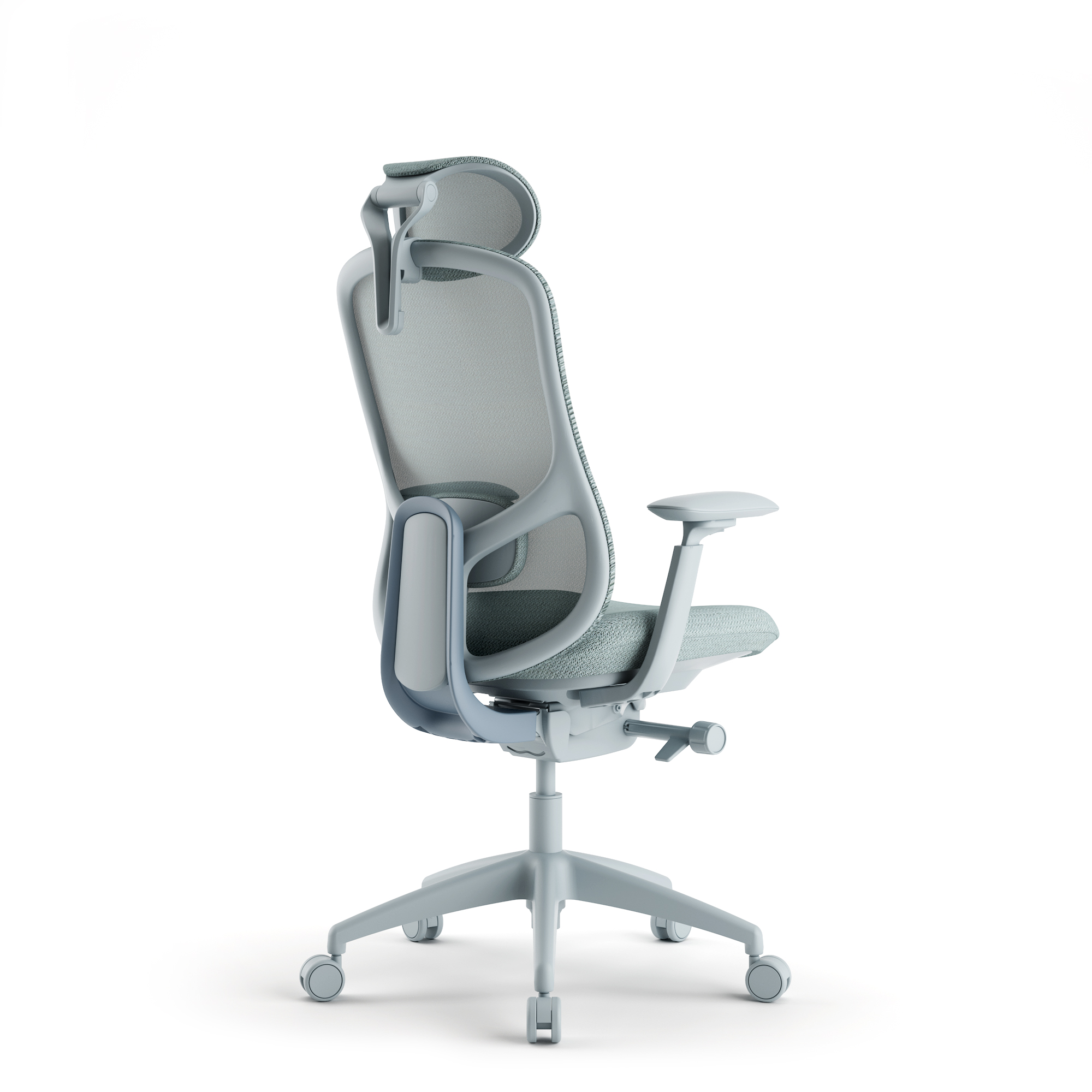
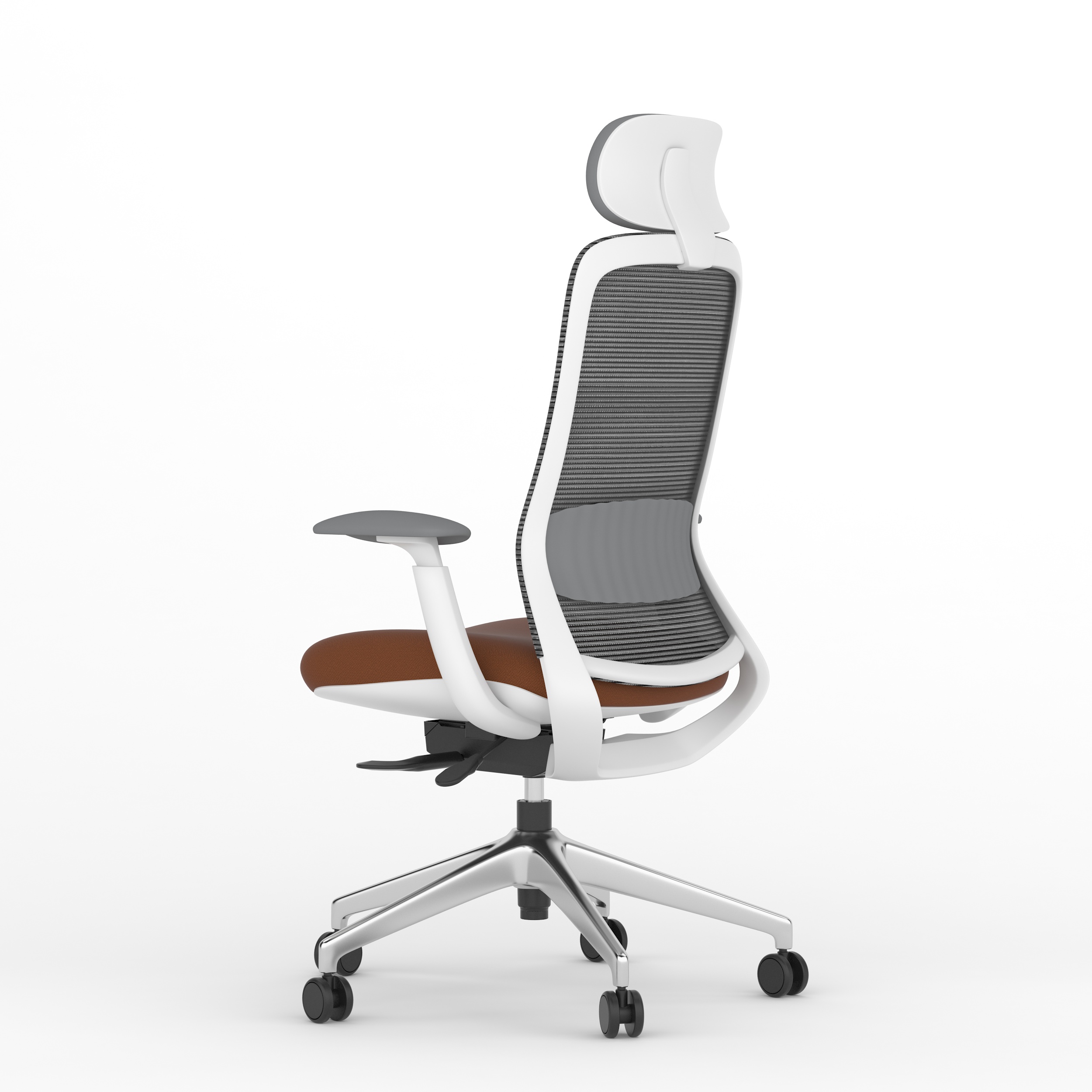
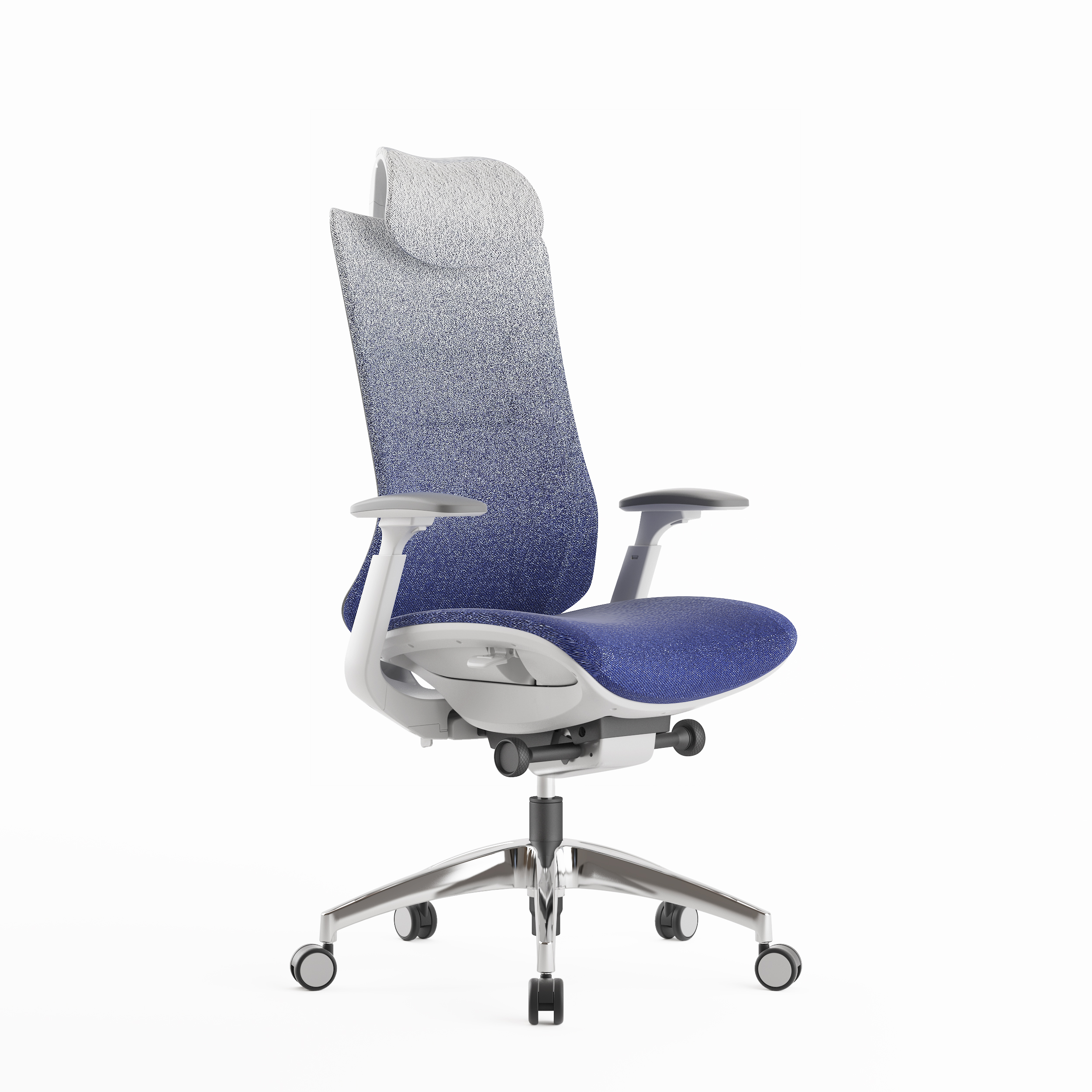
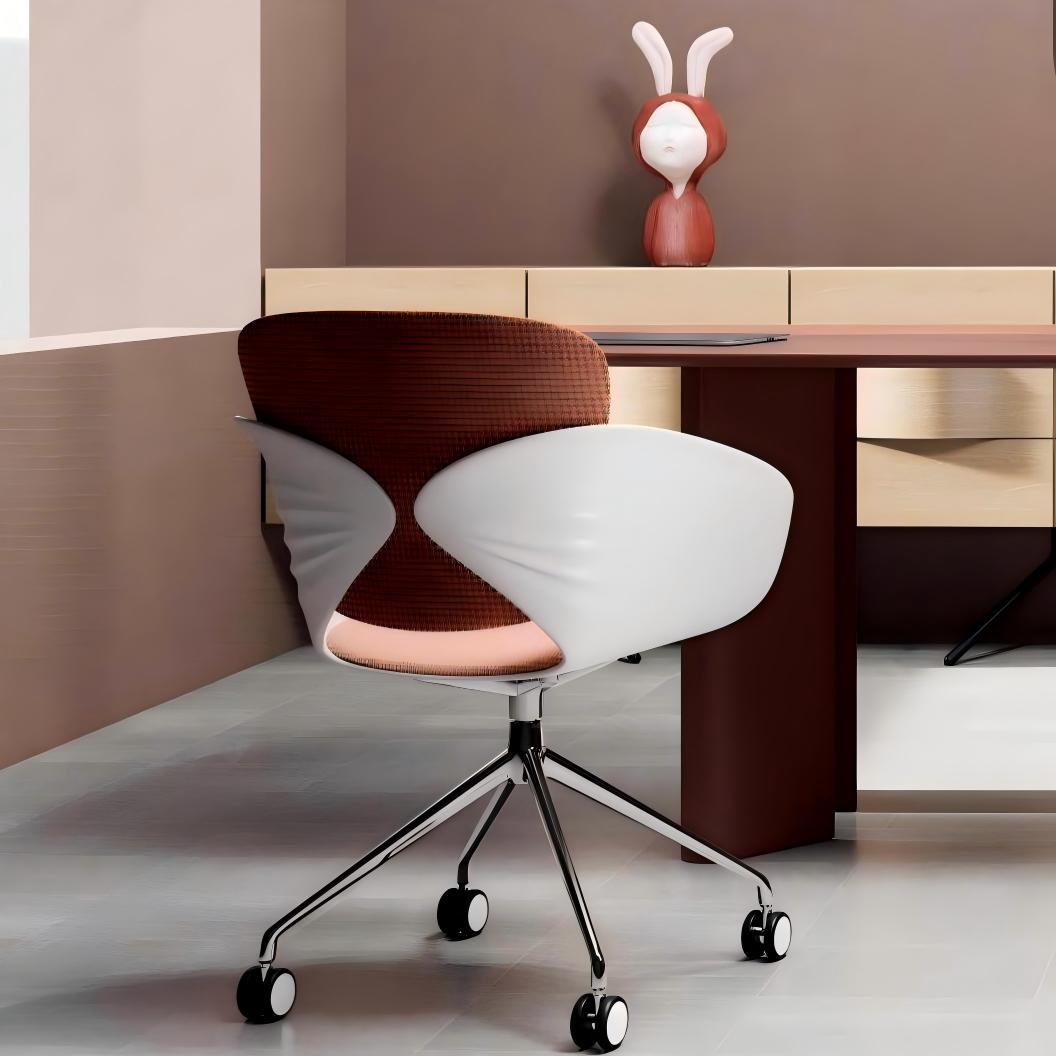
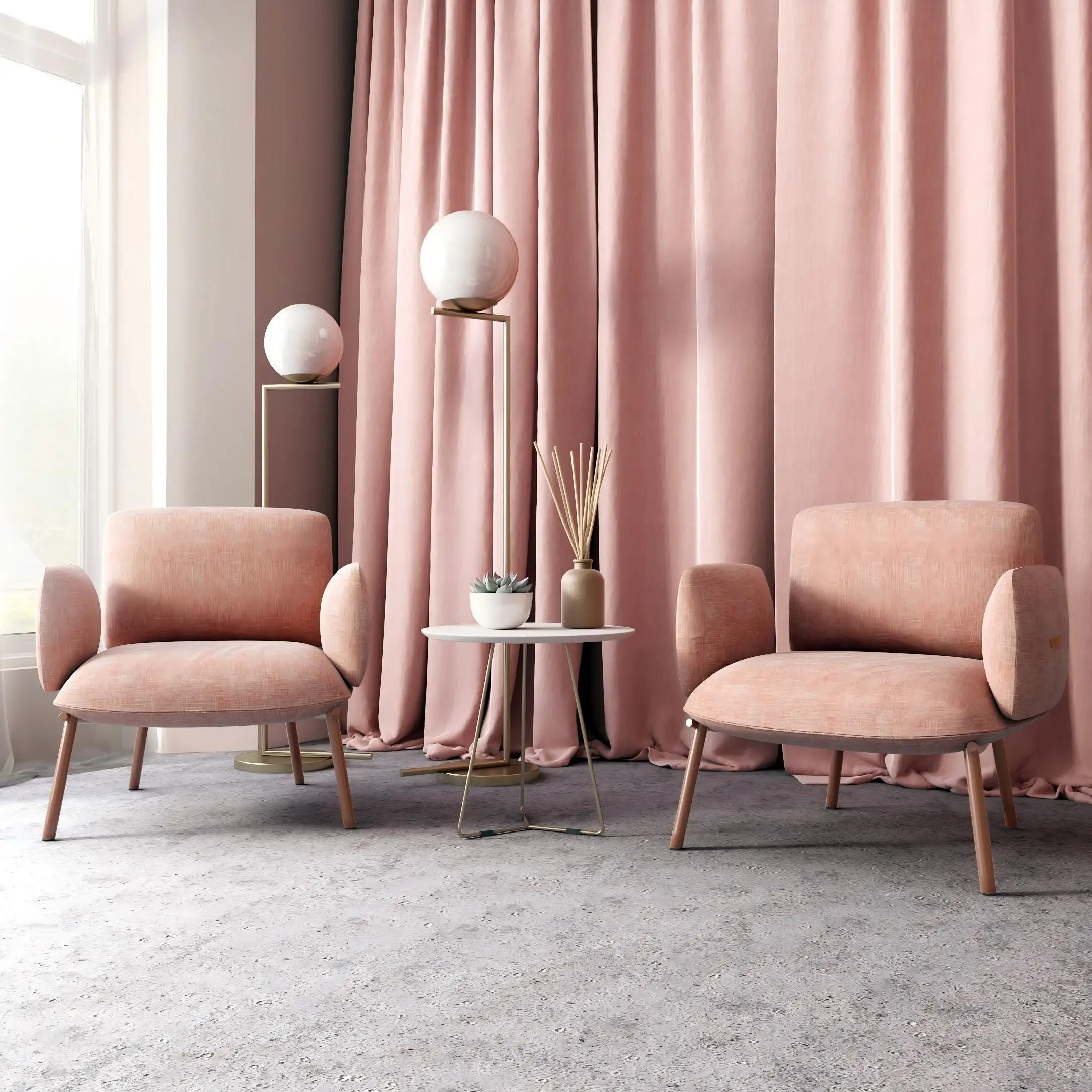
An office chair represents far more than a simple seating solution in today's professional environments. The modern workplace demands that every piece of furniture serve a dual purpose: supporting employee productivity through ergonomic excellence while contributing to the overall visual appeal of the workspace. Balancing comfort and aesthetics in office chair design has become a critical consideration for organizations seeking to create environments where employees feel valued and perform at their best.
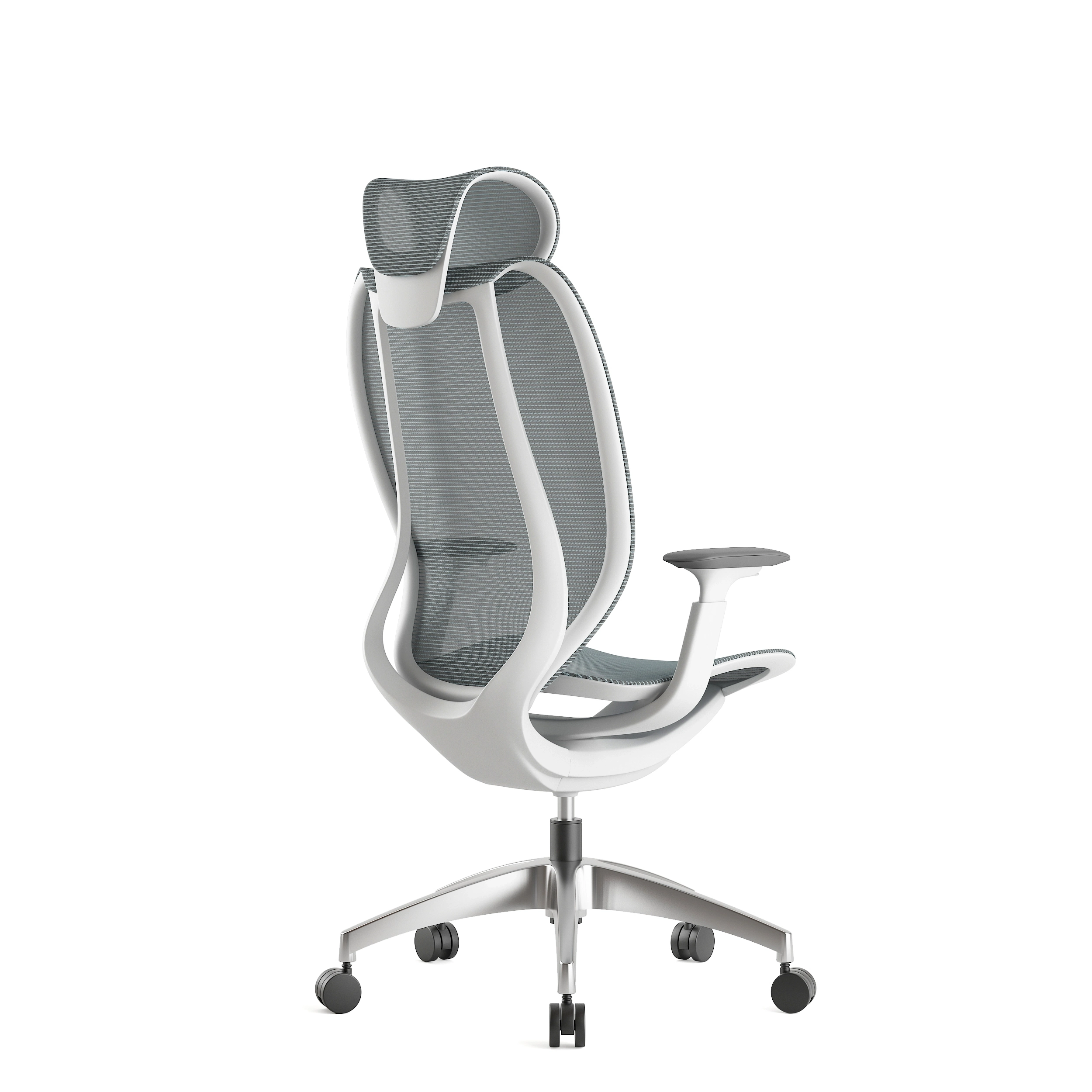
The challenge of designing an effective office chair lies in recognizing that comfort and style are not opposing forces but complementary elements that must work together harmoniously. An office chair that prioritizes only ergonomics may feel clinical and detract from workspace aesthetics, while one focused solely on appearance often fails to support the physical needs of workers throughout the day. Understanding how to merge these two considerations creates a compelling value proposition for businesses, designers, and employees alike.
Every quality office chair must begin with a solid ergonomic foundation that supports proper posture and reduces strain on the body. The lumbar support system in an office chair is essential for maintaining the natural curve of the spine, particularly during extended sitting sessions. An office chair designed with adjustable lumbar support allows users to customize the level of support based on their unique spinal needs, which directly impacts long-term health outcomes and daily comfort.
The seat depth and width of an office chair significantly influence how weight is distributed across the user's body. A properly proportioned office chair seat encourages neutral hip positioning and reduces pressure points that can lead to discomfort and circulation problems. Additionally, the armrest design in an office chair should allow for adjustable height and width to accommodate different body types and work styles, ensuring that the office chair supports natural arm and shoulder positioning throughout the workday.
The materials chosen for an office chair directly affect both its comfort performance and aesthetic appeal. High-density foam in an office chair seat provides superior support and maintains its shape over years of use, resisting the compression that leads to sagging and reduced comfort. The choice of upholstery fabric or leather for an office chair influences not only how it feels to sit in but also how it coordinates with office decor and reflects organizational values.
Breathable mesh fabrics in an office chair promote air circulation, keeping users comfortable during long workdays and preventing heat buildup that compromises focus. In contrast, premium upholstery materials used in an office chair offer a more sophisticated aesthetic that can elevate workspace perception while maintaining durability. An office chair constructed with quality materials demonstrates a commitment to both employee welfare and professional appearance.
The visual presentation of an office chair plays a significant role in shaping workspace atmosphere and brand identity. Color choices for an office chair range from neutral tones that blend seamlessly into existing decor to accent colors that make bold design statements. A well-chosen office chair color can either complement the overall interior design scheme or serve as a focal point that reflects organizational personality and values.
Base and frame finishes available in an office chair—from polished metal to matte powder-coat options—contribute substantially to its visual impact. An office chair with a sleek base design and refined frame finish conveys professionalism and attention to detail, while a more sculptural office chair silhouette can add creative energy to collaborative spaces. These aesthetic considerations ensure that an office chair enhances rather than detracts from the visual coherence of the workplace.
An office chair that aligns with contemporary design trends creates a unified, purposeful workspace that attracts and retains talent. Modern office chair designs often feature clean lines, minimalist profiles, and integrated functional elements that feel intentional rather than purely utilitarian. When an office chair reflects current design aesthetics, it signals to employees and visitors that the organization invests in quality and forward-thinking environmental choices.
The integration of an office chair within a broader office design narrative creates psychological benefits beyond physical comfort. Workers seated in an office chair that matches workspace aesthetic experience improved morale and sense of belonging. This cohesion between office chair design and overall environment demonstrates that thoughtful consideration extends to every detail of employee experience.
Advanced office chair designs now incorporate modular customization options that allow organizations to meet comfort requirements while maintaining aesthetic consistency. An office chair with adjustable components—including seat height, backrest angle, and armrest positioning—accommodates diverse body types and work preferences without compromising visual consistency across the office. This flexibility means that each office chair can be individually optimized for its user while maintaining the unified appearance of the office environment.
Many modern office chair solutions offer interchangeable upholstery and color configurations, enabling organizations to deploy multiple office chair variations that share core design DNA while addressing specific workspace zones. An office chair used in executive areas might feature premium leather, while the same office chair model in collaborative spaces might utilize durable mesh, with both versions maintaining design integrity. This strategic approach to office chair deployment maximizes both comfort personalization and aesthetic control.
An office chair represents a significant investment that compounds in value when it successfully balances ergonomic performance with aesthetic appeal. When an office chair maintains both physical functionality and visual appeal over five, ten, or more years of use, organizations maximize return on their office furniture investment. The total cost of ownership for an office chair includes not just purchase price but also health outcomes, productivity impacts, and replacement frequency.
Selecting an office chair that excels in both comfort and design considerations creates a sustainable approach to workspace evolution. As an office chair ages gracefully through superior material selection and timeless design principles, it continues to support employee wellbeing and maintain workspace professionalism. This longevity makes the initial investment in quality office chair design economically sound alongside its human benefits.
A comfortable office chair combines adjustable lumbar support, ergonomic seat depth, proper armrest positioning, and breathable materials that support extended sitting. The office chair should distribute weight evenly, maintain neutral spine alignment, and allow individual customization to match specific body dimensions and work habits. High-quality office chair construction with supportive foam and durable upholstery ensures that comfort performance remains consistent throughout years of daily use.
An office chair complements modern workspace design through clean lines, refined finishes, and color coordination with existing decor and brand aesthetics. Contemporary office chair options feature minimalist profiles and integrated functional elements that feel purposeful rather than decorative. Selecting an office chair that reflects current design trends while maintaining timeless appeal ensures that it enhances workspace visual coherence and supports the organization's design identity.
An office chair should integrate both comfort and aesthetics rather than prioritizing one over the other, as these elements work together to create an effective workplace solution. The most successful office chair designs demonstrate that ergonomic excellence and visual appeal are complementary goals. An office chair that achieves both delivers superior employee experience, improved productivity, and lasting value while contributing positively to workspace environment.
 Hot News
2026-09-26
2026-09-22
2026-09-15
2026-09-08
2026-09-01
2026-08-24

 EN
EN